Thursday, December 29, 2022: Exhibits 1 and 2
My father was dying. At 5:59 that morning I texted my attorney: “My dad can’t move now - he’s going to the ER today to get his stomach pumped again.”
I had asked the court to let me take my sons to see him one last time. That same day, December 29, 2022, Lisa Dean and her co-counsel, Sarah Heid, filed a response opposing the trip, and Lisa Dean filed my ex-husband’s sworn affidavit with it. Attached to the affidavit were posts from my own Facebook page about my childhood, labeled Exhibit 1 and Exhibit 2.
His affidavit quoted me back to the court: a post where I wrote about a “book of Cinderella and Snow White under my pillow when I was 8” that “had my dad praying evil spirits out of our house.” He swore that “Defendant’s own statements” left him concerned that the visit “may further traumatize the children.” Lisa Dean’s response made the same argument, pointing to “Defendant’s own statements and allegations regarding her family, specifically the parent that she is so anxious to take the children to see.”
So the record of who I was before I met him first reached that courtroom as an exhibit Lisa Dean filed against me. My childhood, cut down to two printouts, was offered as a reason my sons should not say goodbye to their grandfather.
That afternoon, at 3:01 PM, I texted my attorney a sentence I wish I’d had the chance to say from the witness stand:
“I wasn’t the breadwinner - I was raised to be a homemaker”
This chapter is about the girl in those exhibits. I want to tell her story myself, from the beginning, in order, with the dates.
California, before I was four
I was born in California, and California is where I lived until I was four years old.
I don’t have many memories of it. What I have is the line that divides my life into before and after, and it falls two months after my fourth birthday. That is when my family left.
I was born at home in Atascadero, and my father delivered me. My brothers were five and three years older than me. One of the few things I remember from those years is a fair when I was three: my first Ferris wheel, my certainty that it was going to flip over, and my mother shouting to the operator, “Please stop the Ferris wheel, that’s my baby!”
The other thing I remember is boxes. When I had just turned four, I packed my toys into boxes and gave them away, because we were moving to the Philippines.
In December 2020, replying to a comment on Facebook, I explained it in one sentence:
“my dad decided he wanted to be a missionary when I was 4”
Before he was a missionary, my father was a U.S. Marine. He served in Vietnam.
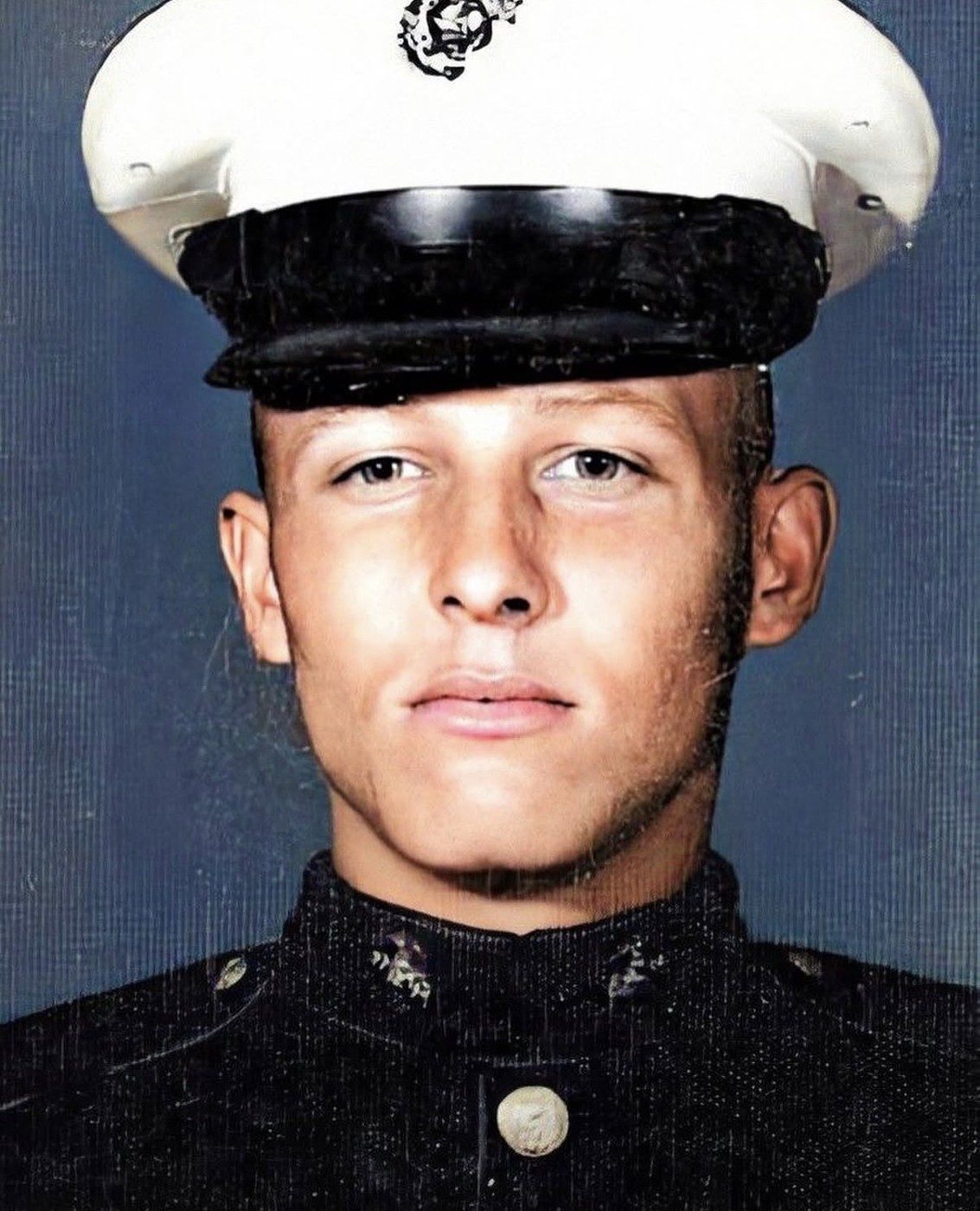
That one decision rearranged everything. My parents didn’t just move. They gave away everything we owned, all of it, so that we could go to the Philippines and do mission work there. My father sold his rain gutter business in California and put his own money into the mission. I can still picture him tucking a bundle of cash into a belt with a hidden compartment, because there was a limit on how much we could legally carry into the country. He meant to build churches and help people, and that is what he spent the next ten years doing.
I was four. I had two brothers. We went where our parents went.
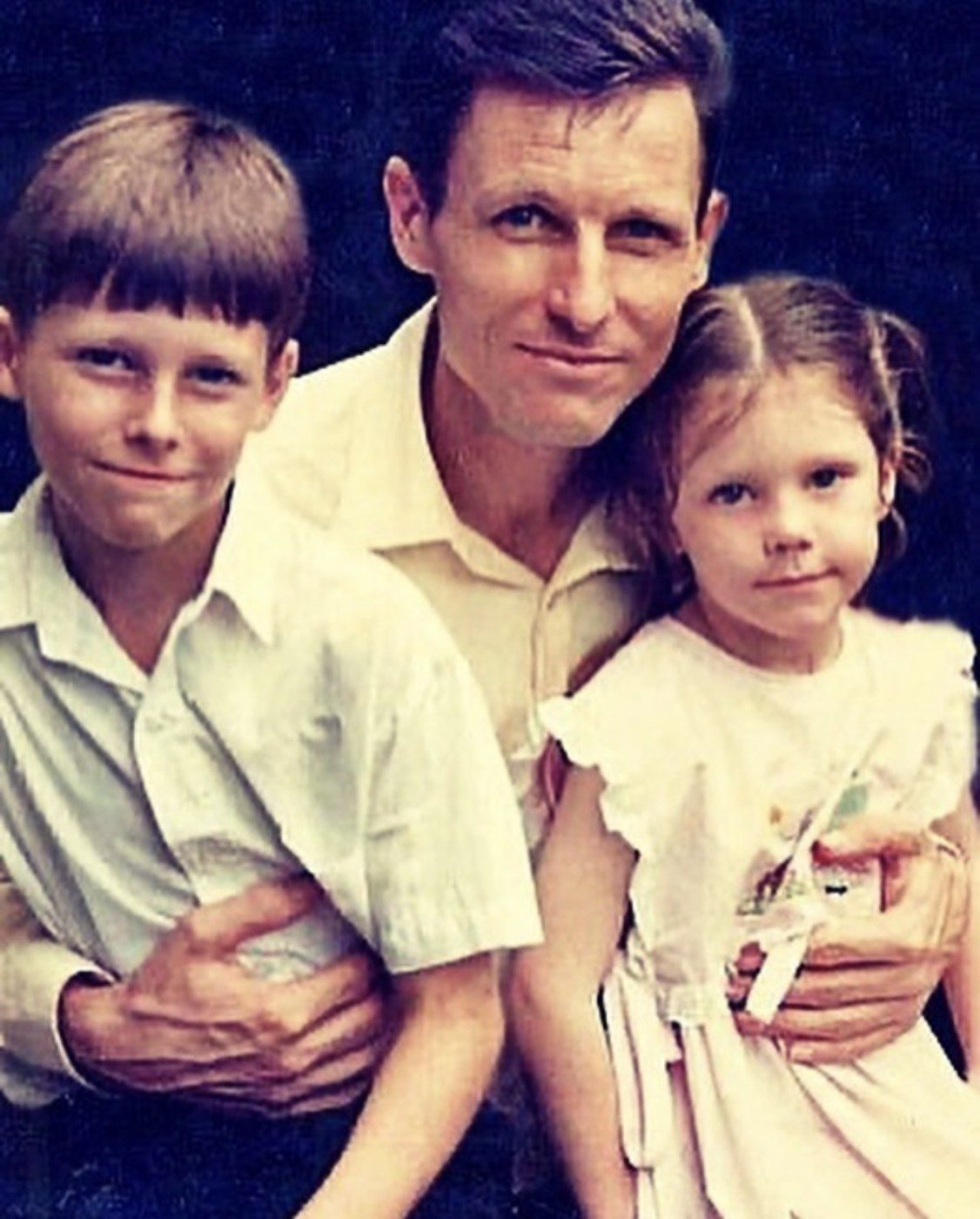
1989: Manila and Ligao
Our new life began in Manila and Ligao, in 1989 and 1990. After that came Puro Beach, our home from 1990 on. I still have the pictures from those years. In July 2022, in the middle of the custody case, I sent them to my attorney in that same order: Manila first, then Puro Beach, then Puro Beach again a few years older.
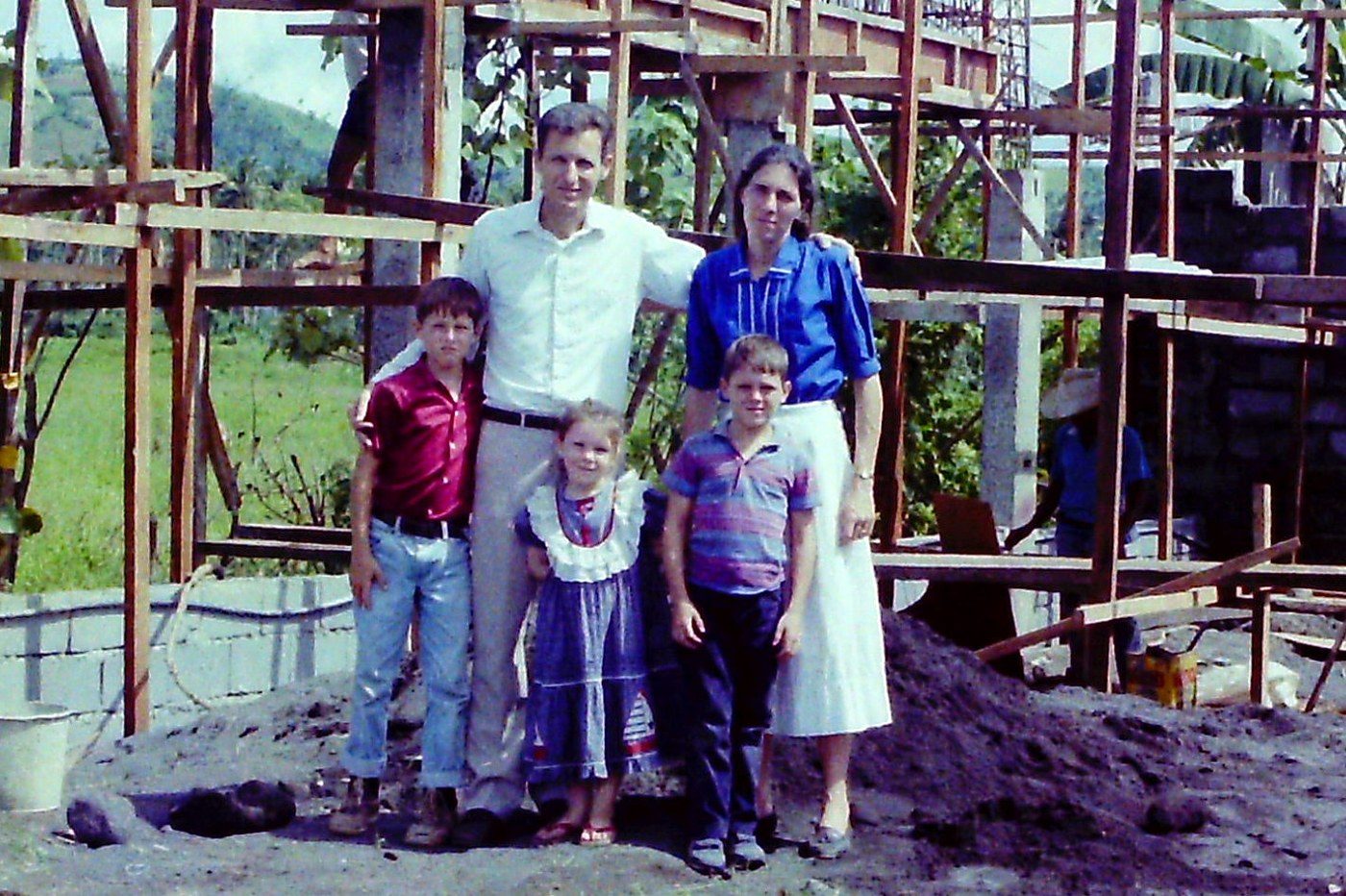
Manila is the capital. We stayed there only a short time, with a family from church. Within a few months we moved to Ligao, a city in Albay, in the Bicol Region in the southeast of Luzon, the country’s largest island. We rented a two-story apartment, and my father started holding services in our home the way he had in California. Then he built a large church a few miles away.
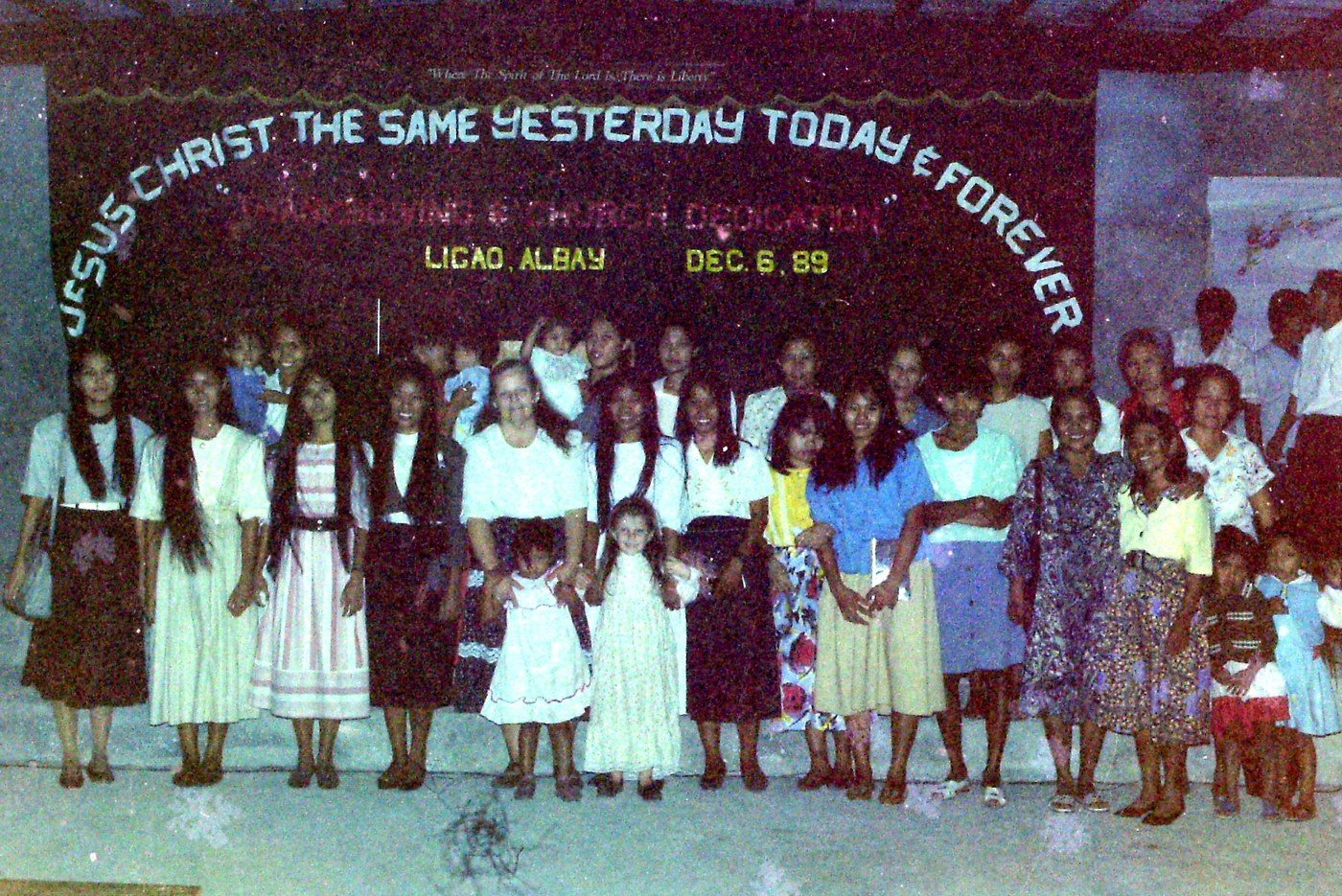
My father had me sing in every church we went to. I was painfully shy, and I dreaded standing up in front of people, but I sang anyway.
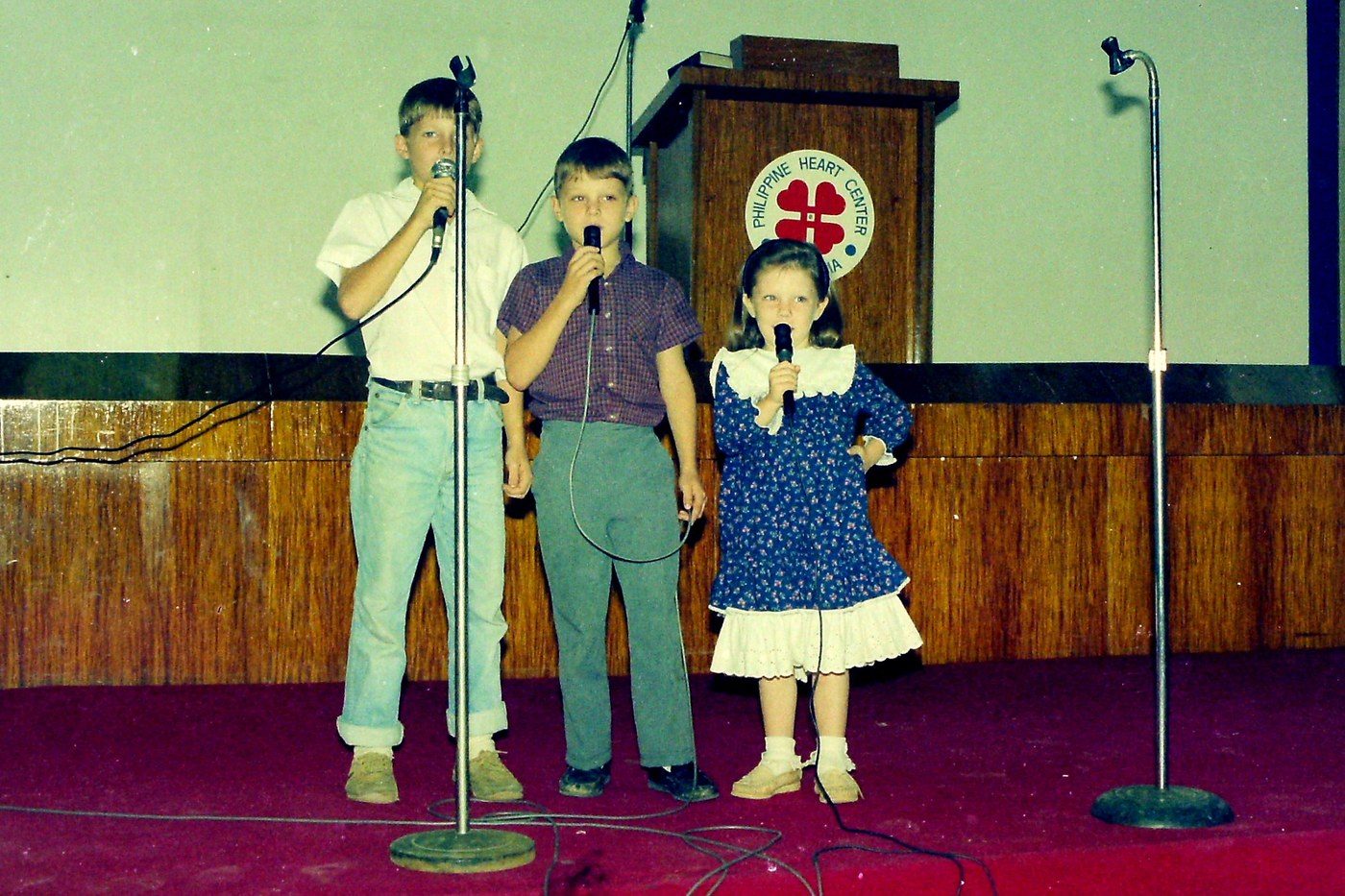
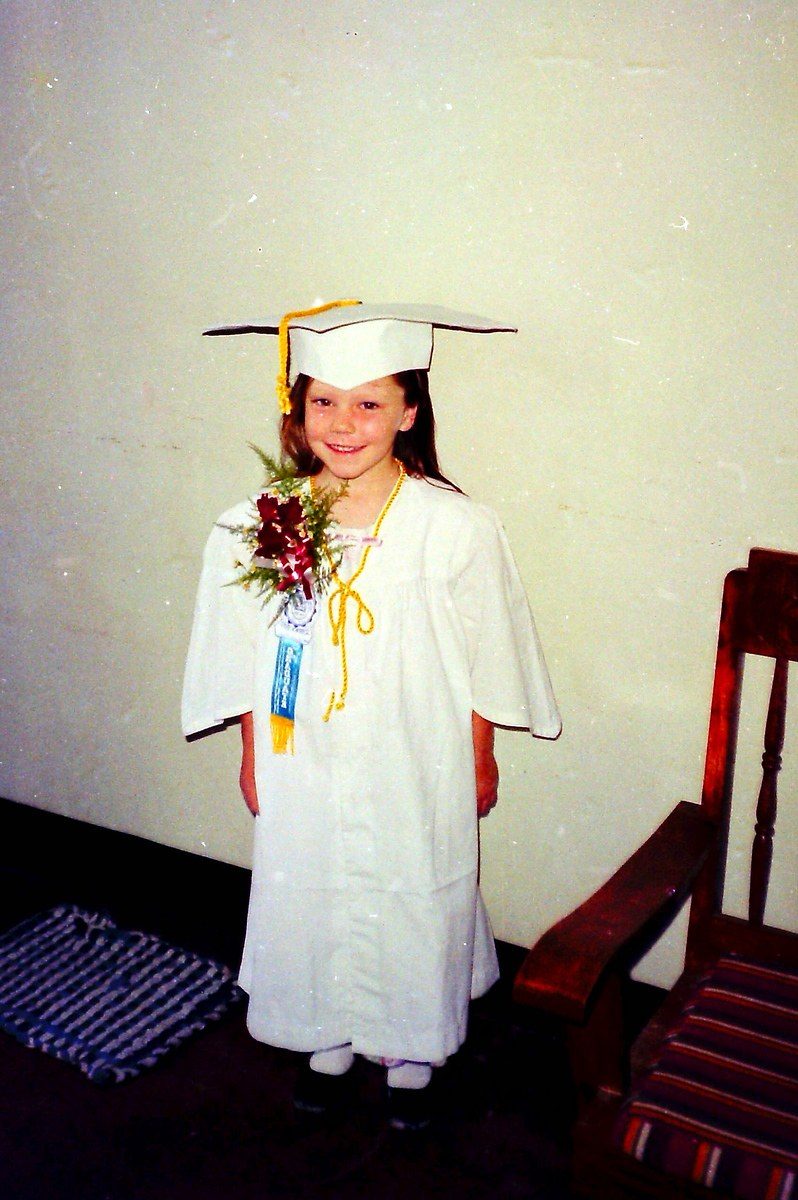
Ligao is where I started school. I was four, and I walked myself to kindergarten every day. I remember waiting to cross a busy street beside a tall woman and wishing I would grow up to be as tall as she was. My mother hired a tutor to teach my brothers and me Tagalog, and we picked it up quickly. When I graduated from kindergarten with honors, my teacher wouldn’t give me the medals. Americans, she said, couldn’t have medals.
Ligao is also where my mother and I both came down with typhoid fever. She nearly died of it, and I was the one at her side.
And it’s where I learned how fast the world could turn. One day my mother and I were riding to church in a tricycle when a man ran out in front of it. The driver fled. The man smashed his arm through the windshield, bleeding, with a dagger in his hand, and grabbed at my skirt to pull me out. I was screaming. A police officer who had been chasing him fired a shot and hit him in the leg, and a man from our church ran over and pulled me out of the tricycle and away.
By 1990 we had moved to the coast of Albay, and that coast became home.
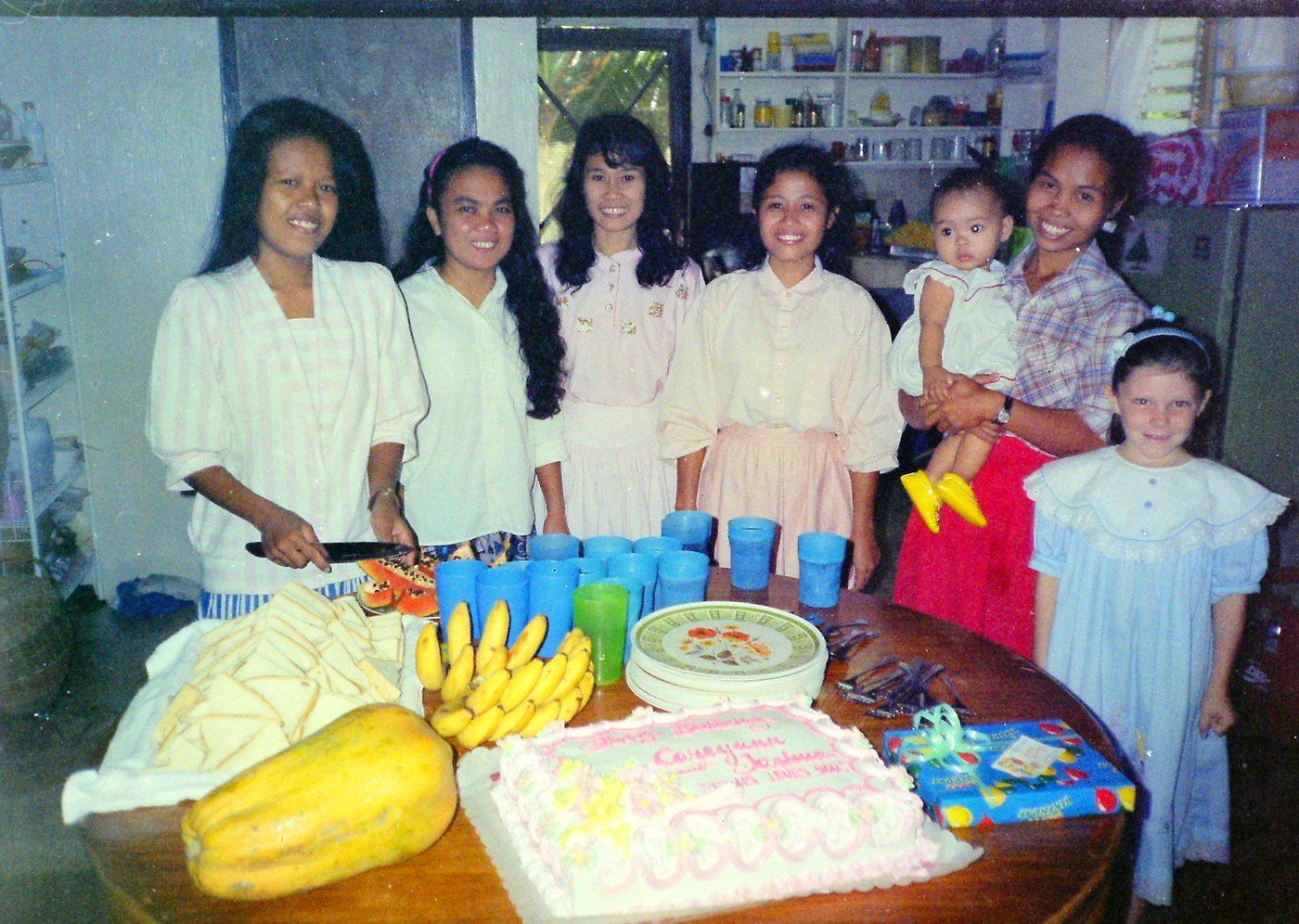
I have pictures of my sixth birthday in 1990 and my seventh in 1991, of each of my brothers’ sixth-grade graduations, and of a wedding. A birthday every year, in a country that wasn’t ours.
Purok 7, Legazpi City, Albay
In January 2020, I texted my mother a question I’d never thought to ask: “What was our address in the Philippines?”
She wrote back: “I think our address was Purok 7 Legaspi city Philippines 4500.”
I corrected her: “In puro beach not always.” And then: “Albay.”
Legazpi City is the capital of Albay. Puro is on the coast near it. That’s where I grew up.
In December 2020, in a Facebook comment, I put my childhood home in eight words:
“I grew up in the Philippines in a hut”
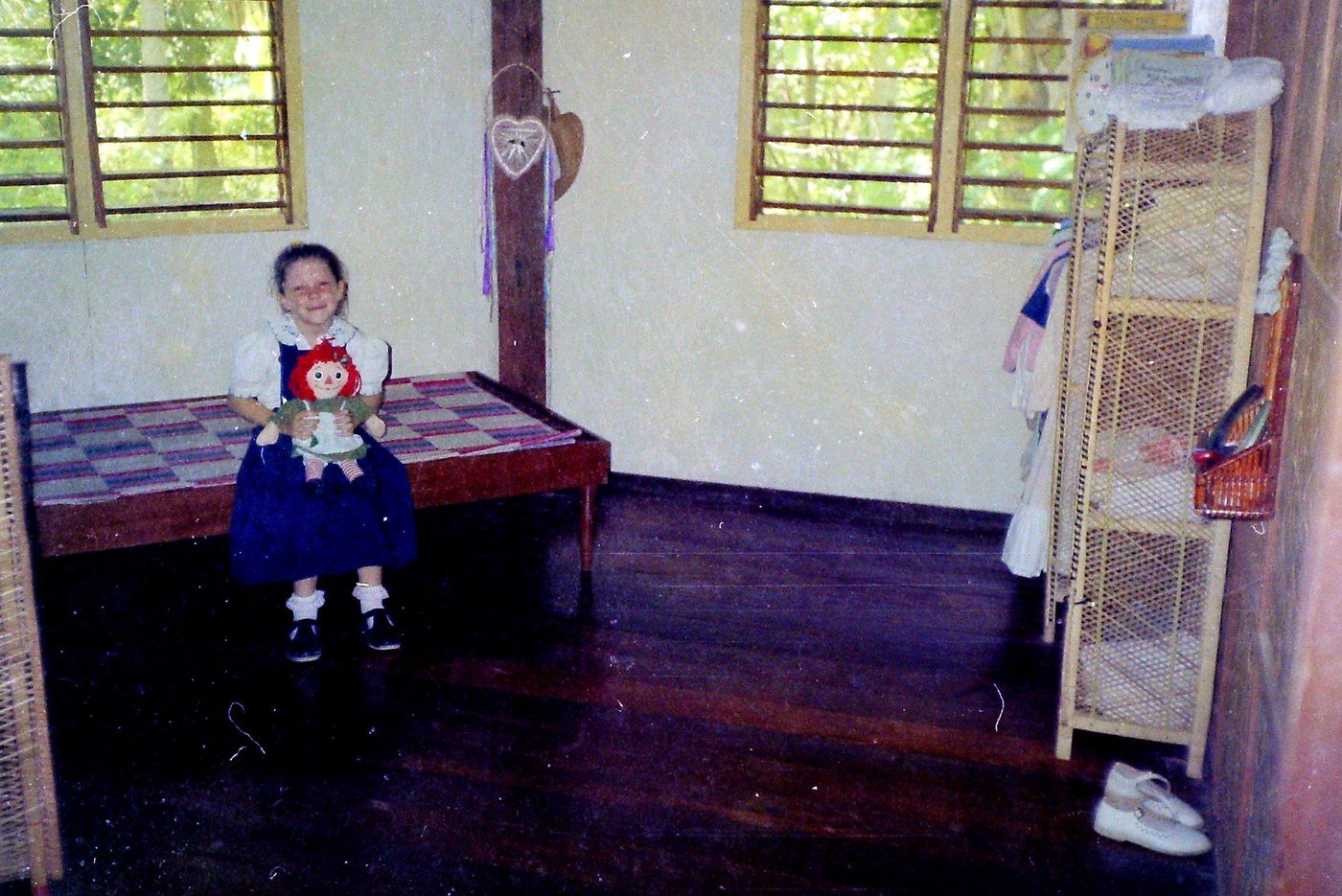
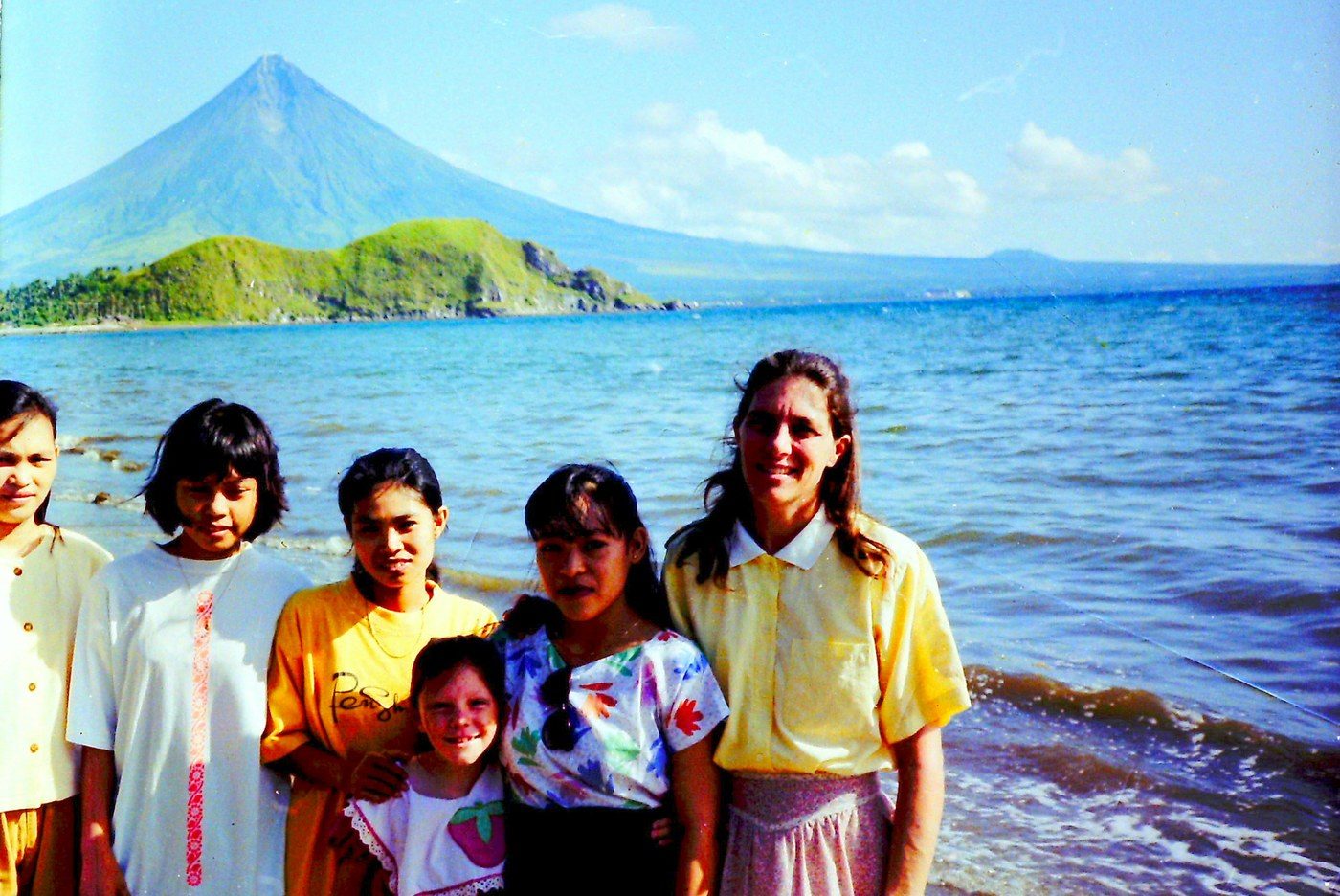
I meant it literally. Of the almost ten years we lived in the Philippines, we spent six of them in a hut on a hill above the ocean. We built it ourselves, about twenty miles from Ligao, and it was peaceful and beautiful. It had four bedrooms and one bathroom. The walls and the furniture were bamboo and rattan, and the roof was palm fronds. From the hill we could see the ocean and the Mayon Volcano. My brothers shared a room. I had my own, and I slept on a woven plastic mat with no mattress.
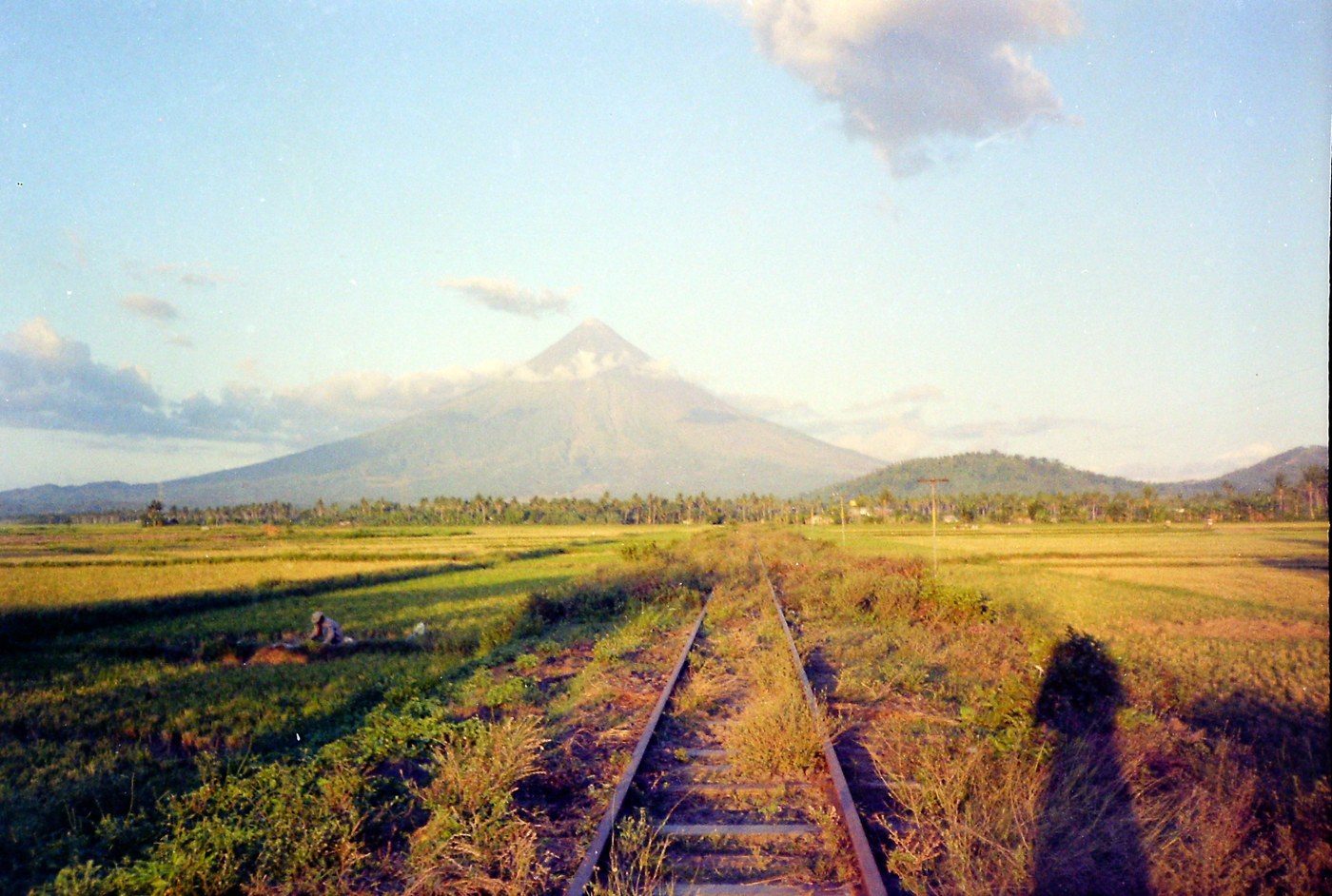
My favorite time of year was typhoon season. I loved the rain and the wind. I’d sit by the living room window and watch the palm trees bend. The thatch leaked in the heavy storms, so we set out pots, pans, and buckets to catch the water and patched the holes afterward. We shared the hut with rats that lived in the bamboo walls and big tokay geckos that found their way inside. Once we discovered a hive of honeybees inside an outer wall. For a while we ate fresh honey straight from the comb, until the hive had to be taken out.
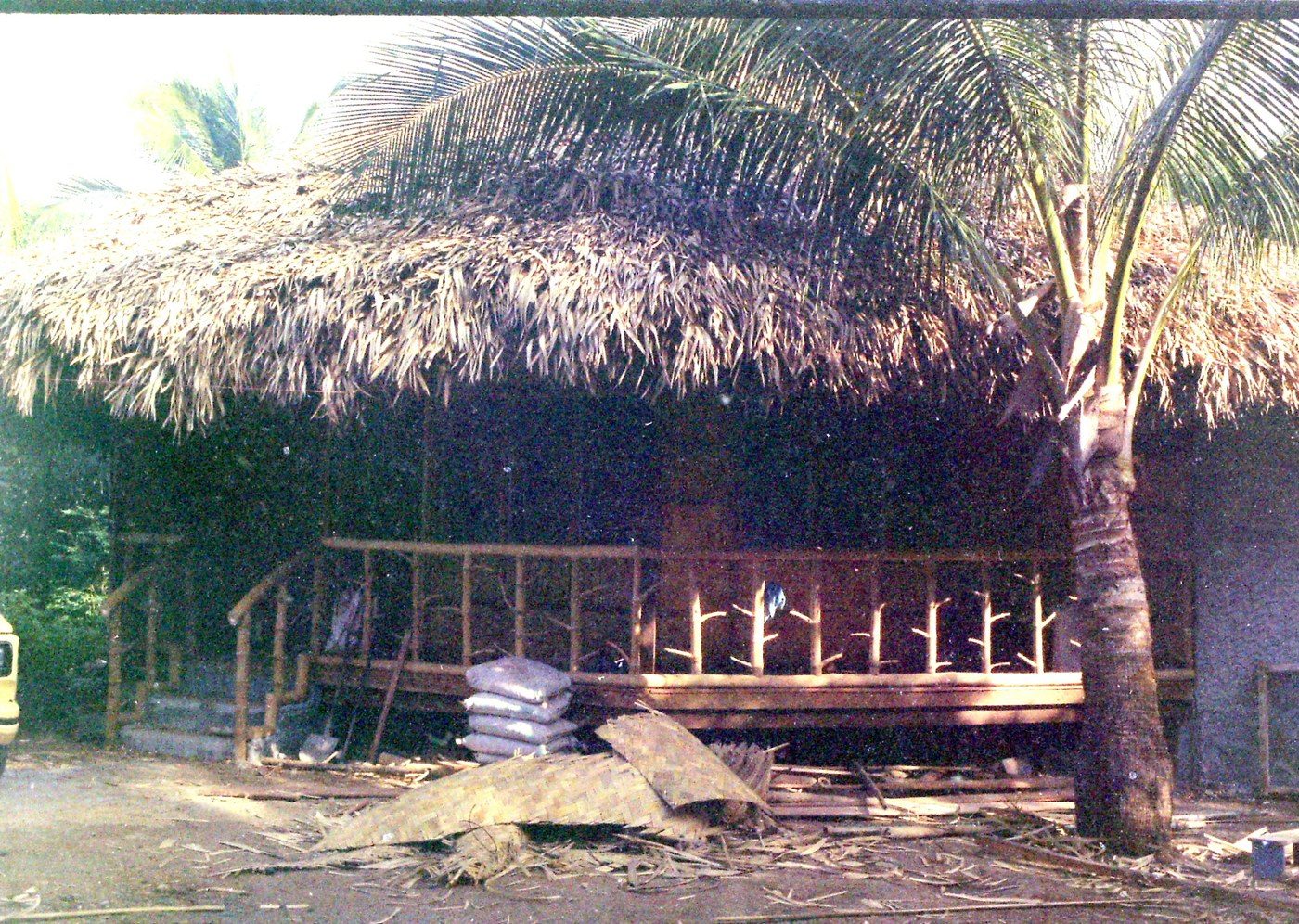
In January 2018, my best friend from childhood, Teejay, sent me pictures of the house we used to live in. I posted them the next morning:
“My best friend from childhood Teejay Soriano Jacinto sent me these pictures last night of the shell of our old home in the Philippines!!! Brings back memories! Check out the before pictures of the kitchen entryway, sink, bathroom, church and view of the ocean!”
The shell of a kitchen, a sink, a bathroom, a church, and the ocean. That’s my childhood in one sentence. There was a church in those pictures because my father built churches. Ours stood right next to our hut, with open-air windows and hard wooden benches, and services lasted two or three hours. We were in it every Sunday morning, every Sunday evening, and every Wednesday night, and I never missed a service. Some nights I was so tired that I slipped home for a ten-minute nap on the floor, then went back and sat in the pew so I wouldn’t fall asleep in church.
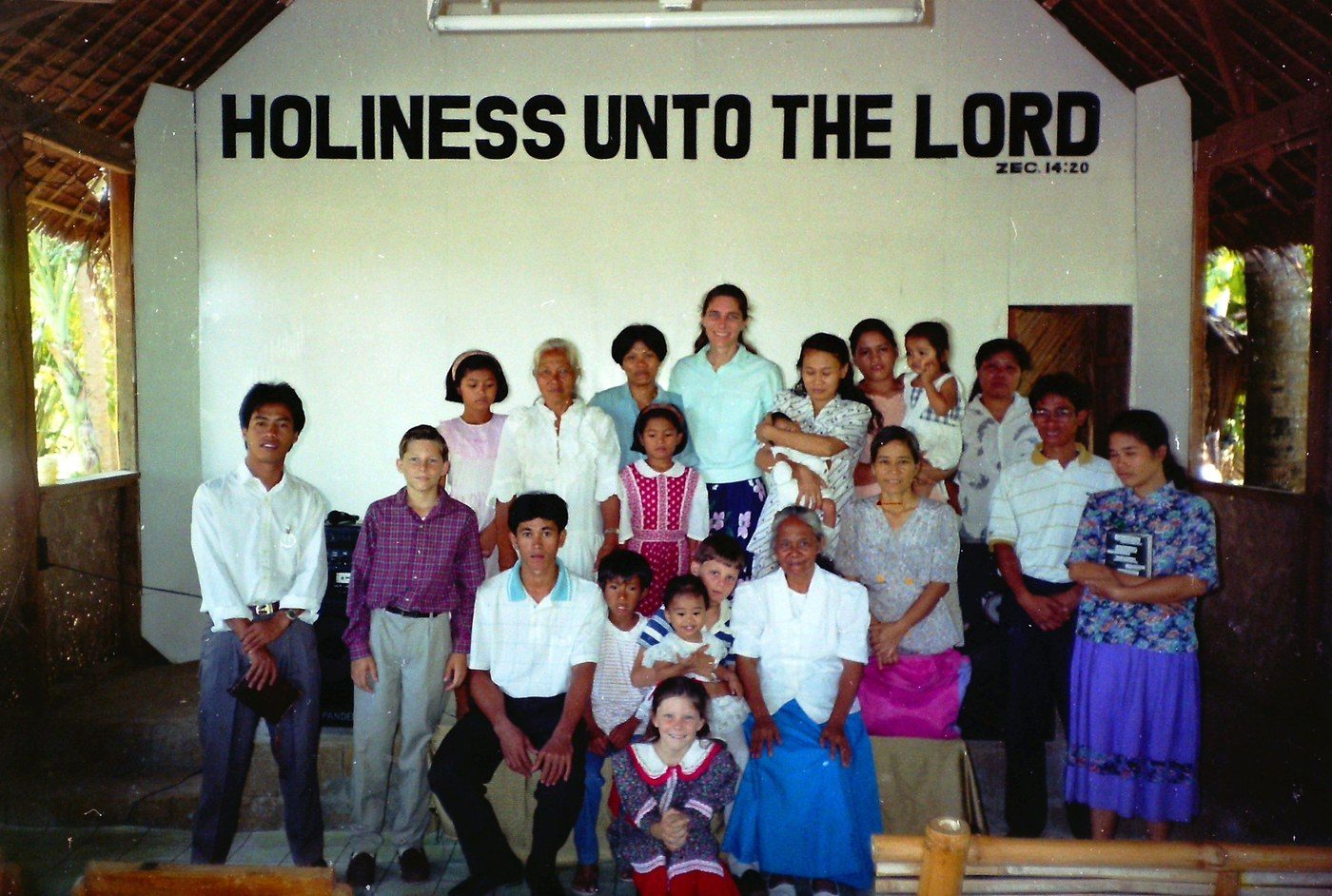
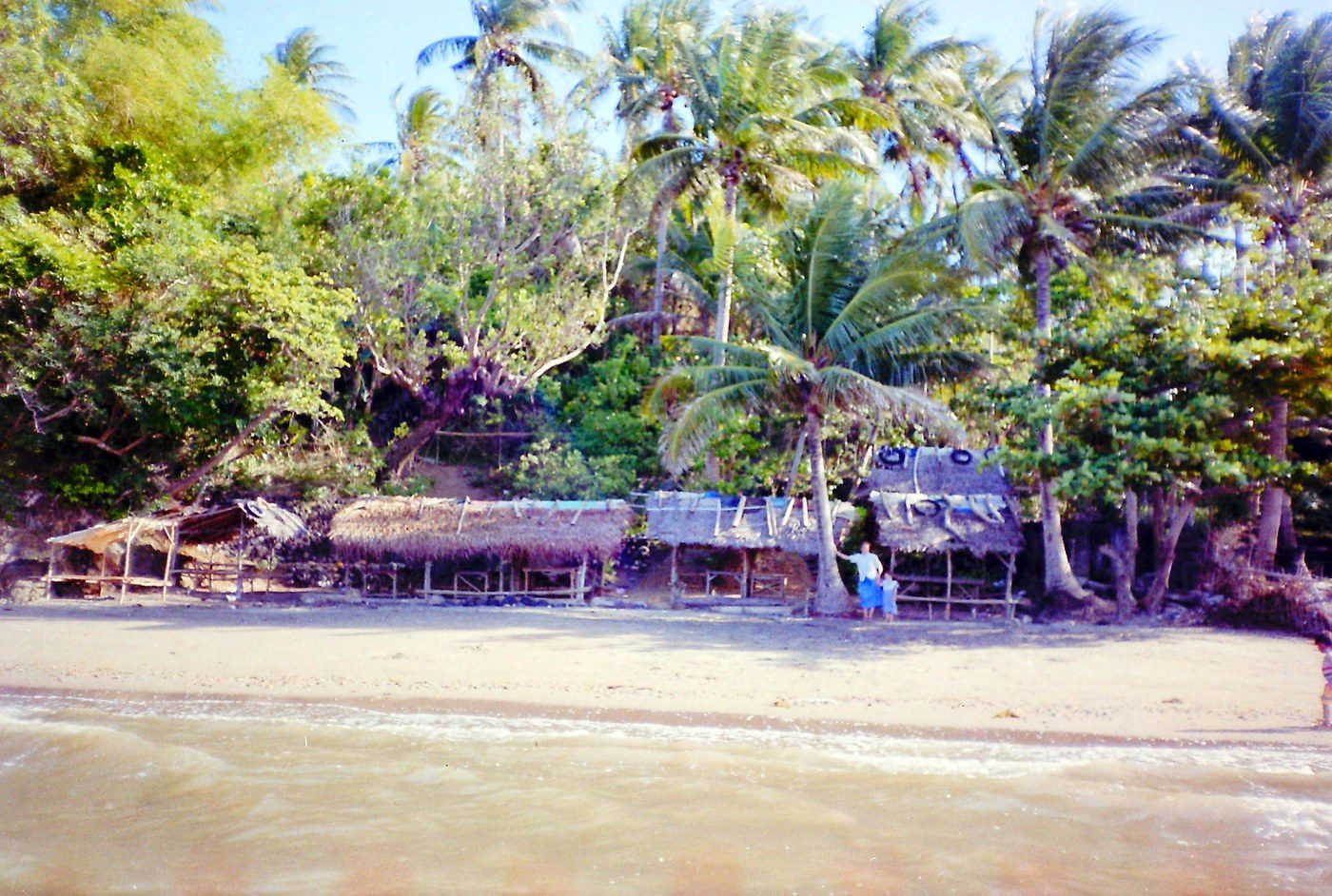
The ocean was the view I grew up with. Our hut sat on a hill, and from that hill we looked out at the sea. To reach the beach, we followed our wraparound driveway to a dirt road and then went down a stairway of nearly a hundred steps to the water. After school I spent many evenings there swimming, and my brothers and I loved jumping off a high ledge into the ocean. Those evenings at the beach, and the good food from the village, are some of my favorite memories of the Philippines.
Across from our hill was another hill, covered in guava trees. Our drinking water came from the bottom of our hill, and I carried two big plastic jugs of it up to the hut, setting them down to catch my breath on the way. My mother carried our groceries up the same hill by herself.
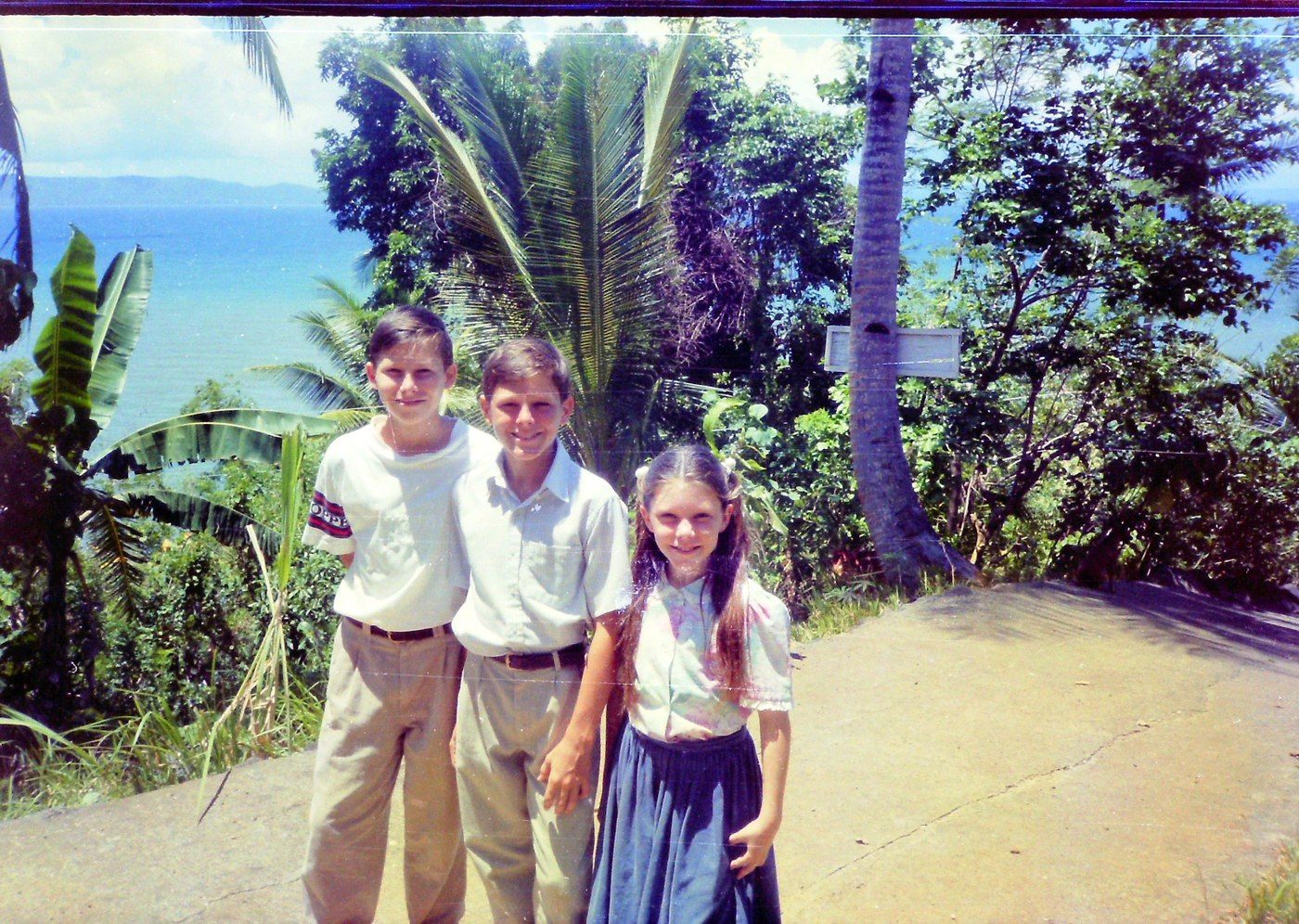
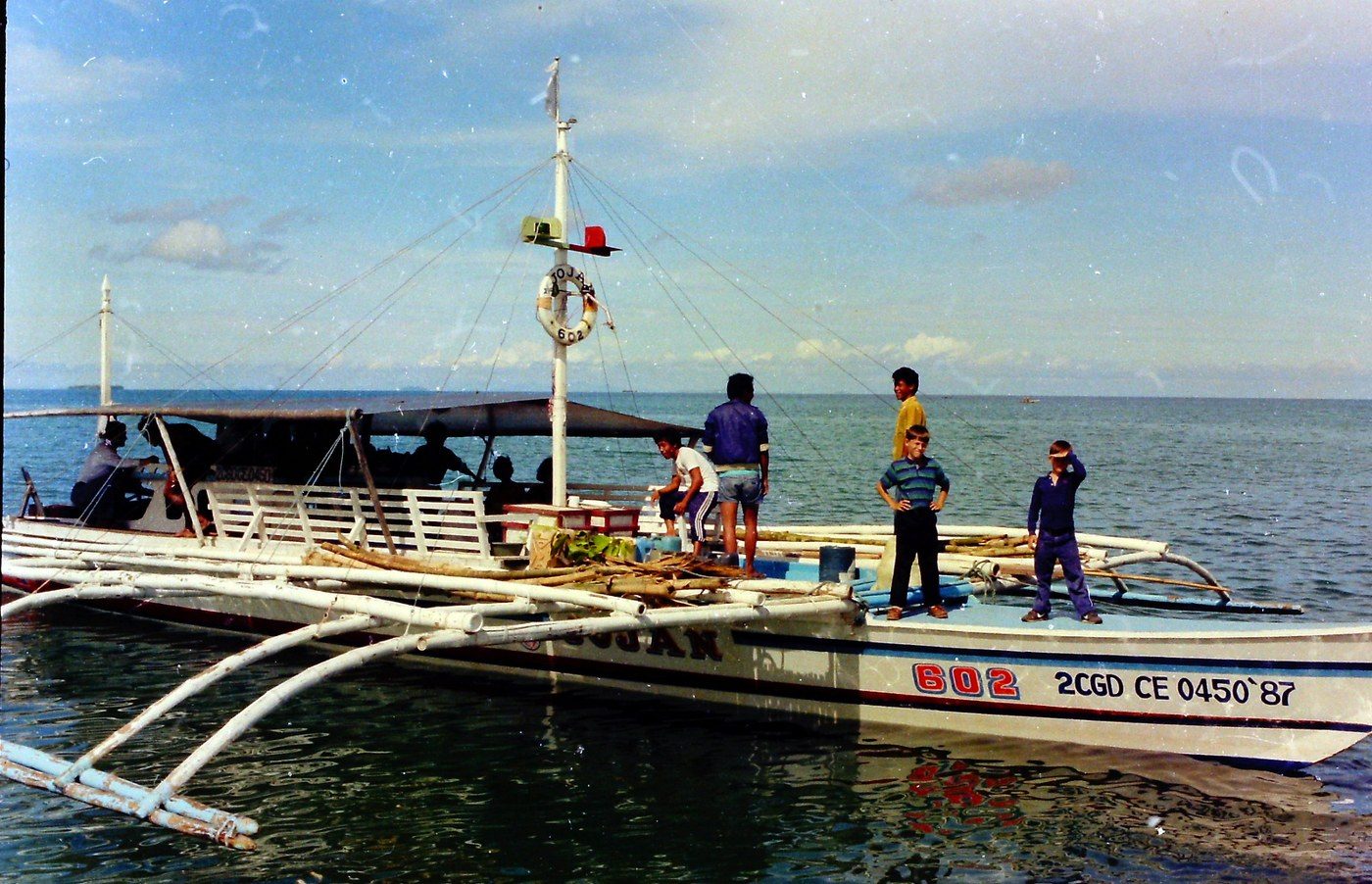
Sometimes we traveled to other islands and stayed in the churches there. Many nights we slept on dirt floors, and most meals we ate with our hands, because the people had no silverware to spare. They were remarkably generous and shared what little they had with us.
Boiling water for a bath
In November 2018 I shared a video about being grateful for small things and wrote a few lines about how I grew up:
“I grew up having to boil water on the stove and fill up a bucket if I wanted a hot shower and barely any food to eat. I got a backpack, new sandals because the ones I had had a big hole in the bottom before I got new ones, or a new outfit for my birthdays, we often had the power go out because of typhoons and didn’t have a refrigerator or washer and dryer which meant we had to hand wash all our clothes, no dishwasher, no vehicle, grew up without a bicycle.”
And then:
“From the age of 4-11, I dreamt of owning my own bicycle. Such a small thing for some, but a dream for others.”
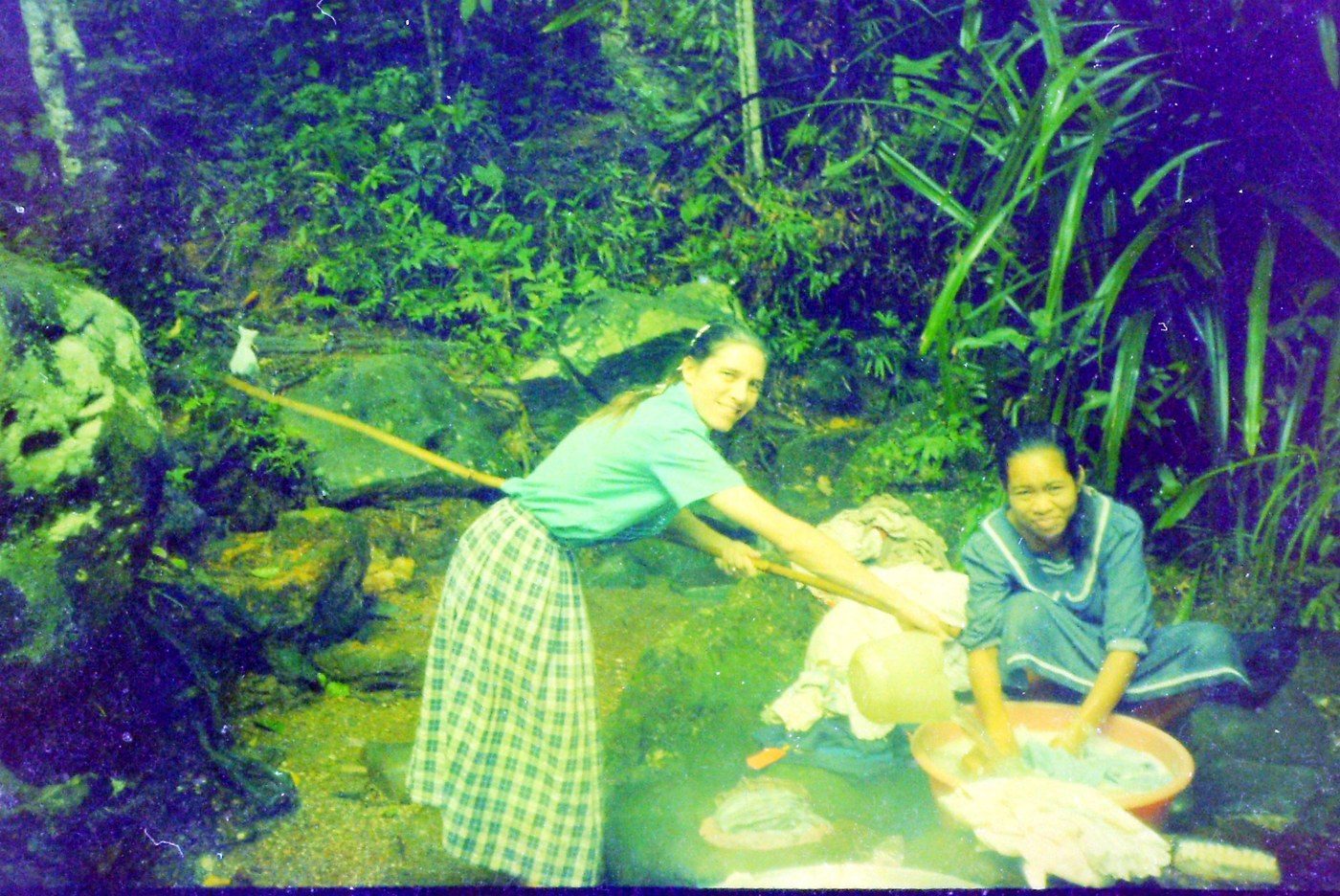
That’s what giving everything away meant to a child. A family that had owned a house full of things in California now had no refrigerator, no washer, and no car. My birthday presents were sandals without holes in them. The typhoons took the power out. We washed our clothes by hand, in the backyard or sometimes down at the river, drawing water from the well. One of my pictures from those years is of my mother doing exactly that. For seven years I wanted a bicycle, starting the year we left California.
A bath meant a bucket of cold water and a pitcher to pour it over my head. If someone heated a kettle and poured it into the bucket, the water was warm, but that didn’t happen often. To flush the toilet, we poured in a bucket of water; there was no plumbing. Near the beach there were hand pumps where people showered with their clothes on, soaping up underneath them, and wells where you lowered a pitcher on a wooden pole to draw water. For about four years we had no appliances but a stove, until a missionary from Arizona bought us a refrigerator. Until then, a cold drink meant half a peso at the corner store for water in a little plastic bag tied off at the top. You bit a hole in the corner and drank.
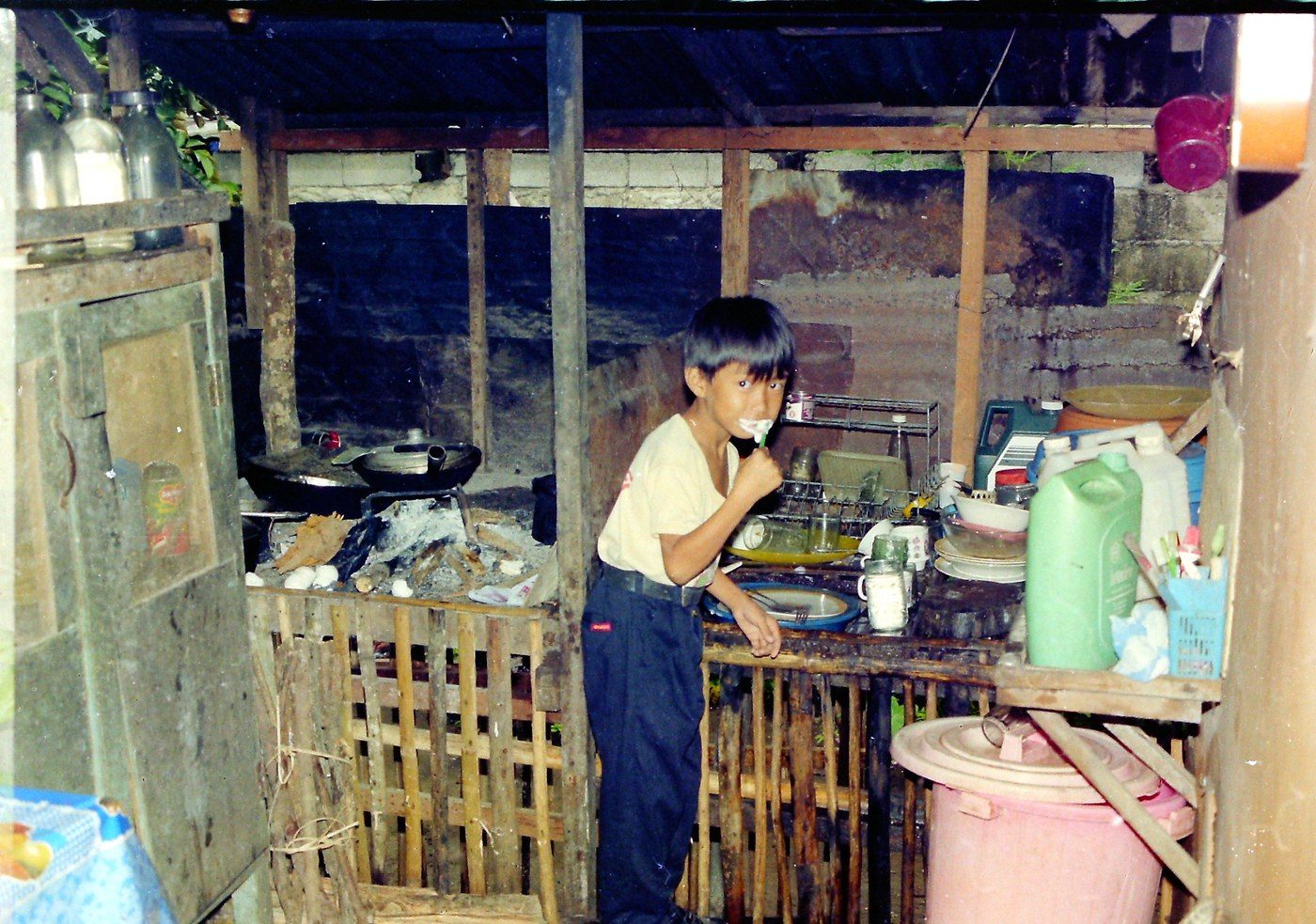
Breakfast was usually white rice in a bowl with powdered milk and sugar, because we couldn’t afford real milk. I got one peso a day for lunch and recess, and one peso bought little more than candy. Most days I owed the lunch lady. I lived on the guavas from the hill and on santol, jicama, and mango at two pesos each, and I would go hungry one day to afford one the next. They tasted better for it. I was malnourished, my stomach swollen like the children you see on television. Once I took five pesos from my mother’s purse and bought rice and fish for lunch at school, and I ate it like I’d never had a meal before. On days without school, lunch might be canned sardines, ramen noodles, or fish and rice, and there were many nights I went to bed without dinner. My favorite meal of all was when my mother made burritos, with tortillas we made together from scratch.
So my mother and I made things to sell. She didn’t think I could make the big ribbon roses a customer wanted, so I taught myself, my own way, and before long I was making all the crafts. Every day after school I sat and made roses, and later keychains with little plastic bears and crystal hearts, and my mother paid me a little so I could buy lunch. Over the years, depending on the season, we sold whatever we could: televisions and sewing machines my father bought wholesale in Manila, keychains, cross-stitch, and the crafts my mother and we kids made. My grandfather sent each of us ten dollars on our birthdays and twenty-five at Christmas, and for a while after each one I ate well. One year I saved my lunch money, a peso or two a day, for months, until I had the two hundred pesos to buy my mother a birthday cake.
On top of the laundry, there were the floors. Every week we buffed the wooden floors with shoe polish, shined them with a coconut husk, and went over them again with a rag.
In June 2025 I tried to explain what that childhood made of me:
“I grew up in a third-world country as a missionary child. I saw the kind of suffering most people only read about. I also saw how powerful love, presence, and truth could be. Even back then, I knew my life was not just mine—I was here to help.”
That was the point of the whole move: to help people. My parents gave up everything to do it, and I absorbed the lesson before I could spell it.
Long white girl legs
Not all of it was hard. A lot of it was pure joy, and I want that on the record too.
In May 2018 I found a video of a game I used to play with the other kids, and posted it:
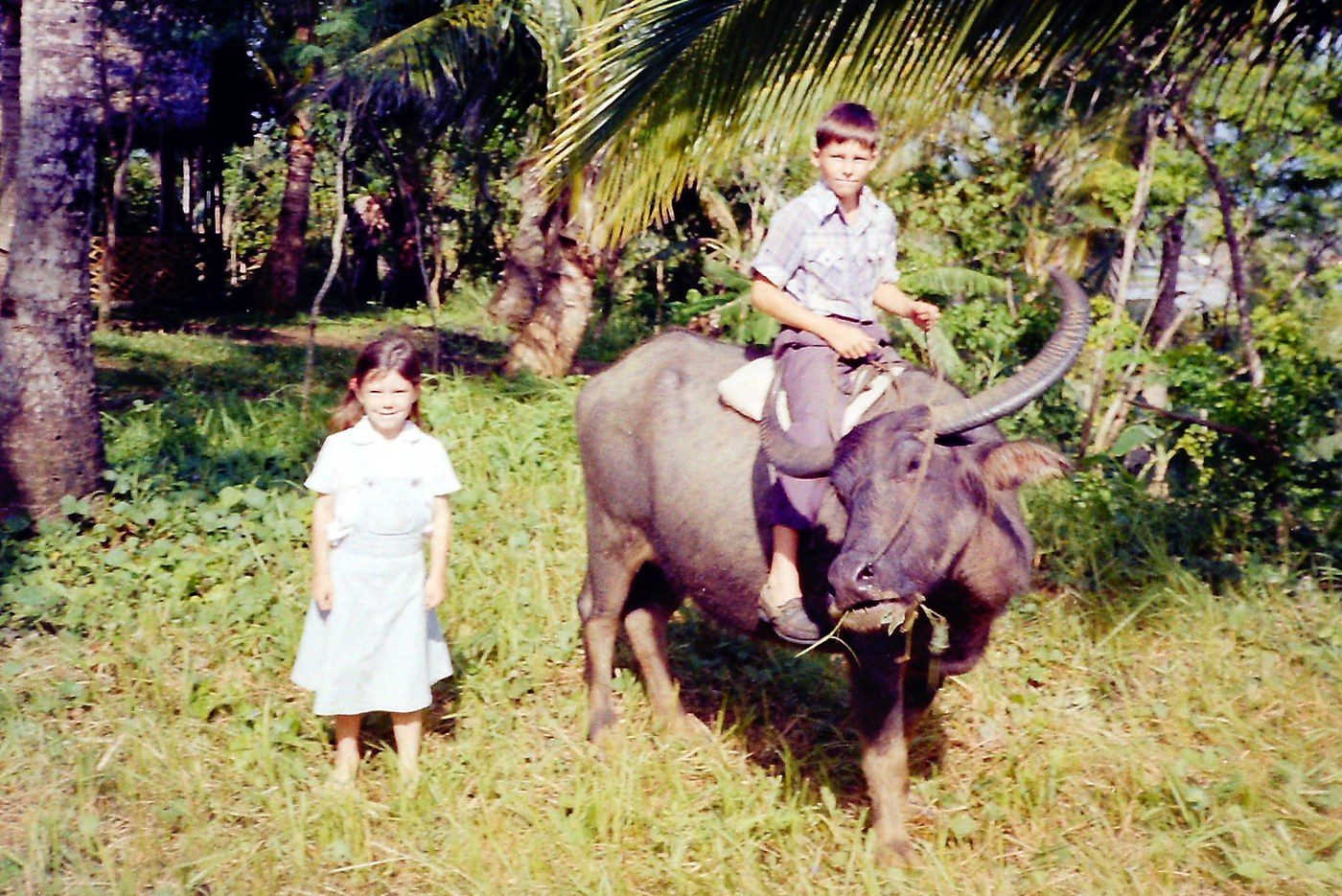
“My favorite game growing up in the Philippines. I always won 😂 long white girl legs advantage 😆”
A few minutes later I posted another: “My other favorite game - jumping over the cow 😂”
Two weeks earlier I’d found a song on YouTube from the first concert I ever went to:
“My first ever concert I went to in the Philippines when I was like 7!!!!! It was the devil tho so I sang this song secretly 😂😂😂”
I was seven, I loved that song, and I sang it where no one would hear me.
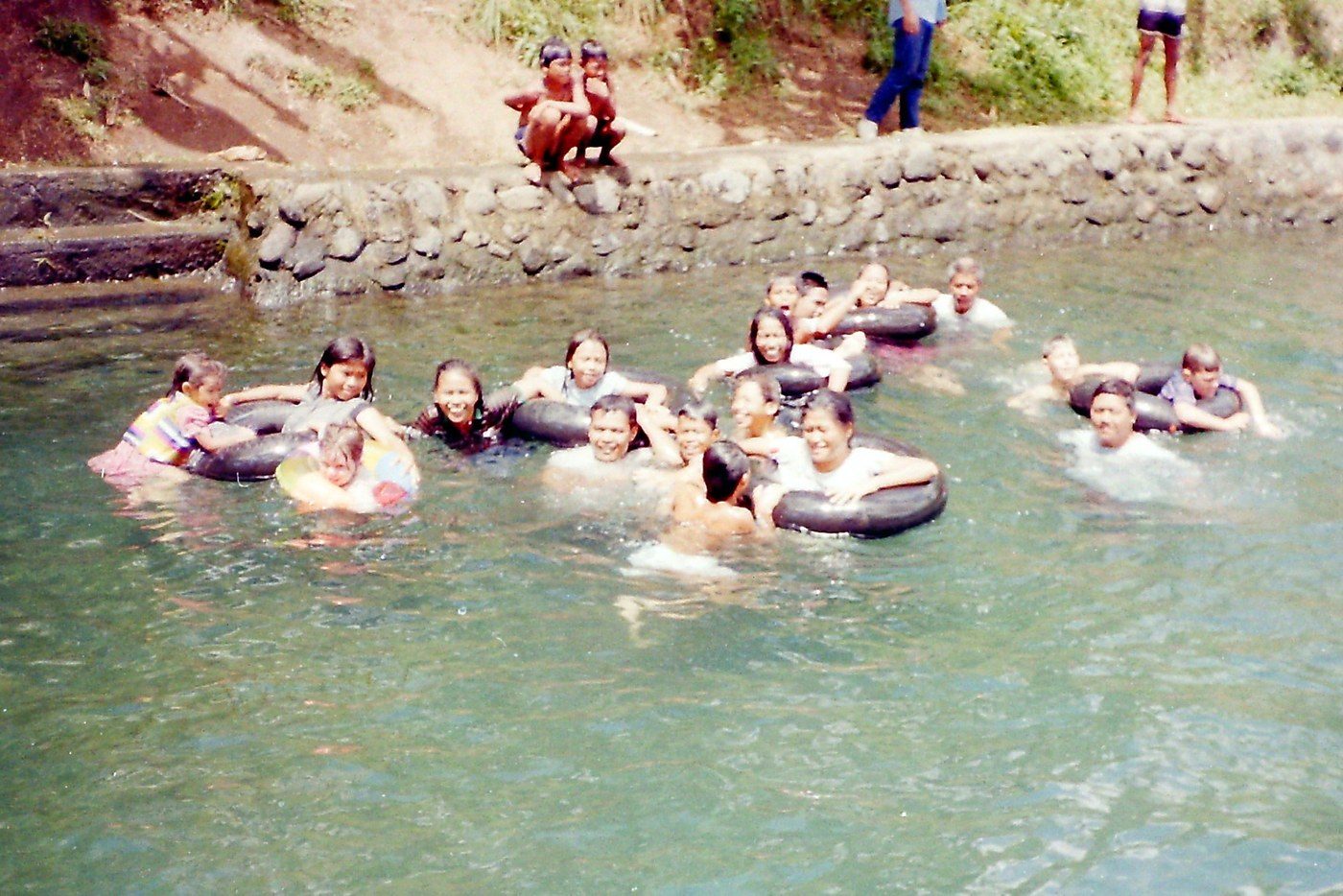
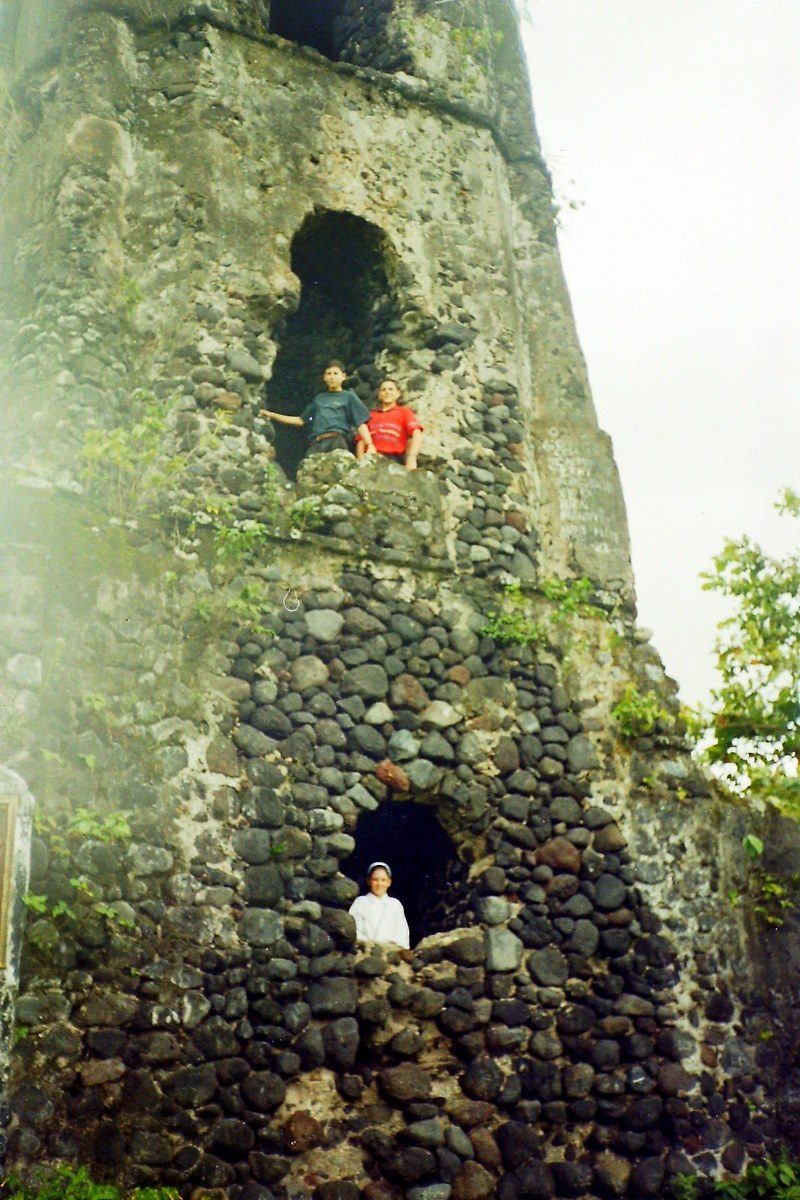
My mother had a close friend named Edna, who had a big family and lived at the top of a hill in the middle of cornfields. The road up to their house was long, winding, and paved, perfect for riding skateboards lying down or sitting, which was dangerous, I know now. My brothers and I raced down it for hours. We explored caves full of bats, climbed coconut trees, and played in the corn.
Years later, my friends’ small complaints about American life would still make me laugh. In October 2019, under a friend’s photo of a restroom, I wrote: “That’s really fancy compared to the bus stop bathrooms in the Philippines 🤣”
I was the tall white girl who won the jumping games, sang forbidden songs under her breath, and thought any bathroom with a door was luxury.
The wrong teacher in Puro
At school in Puro, being American cost me for a while.
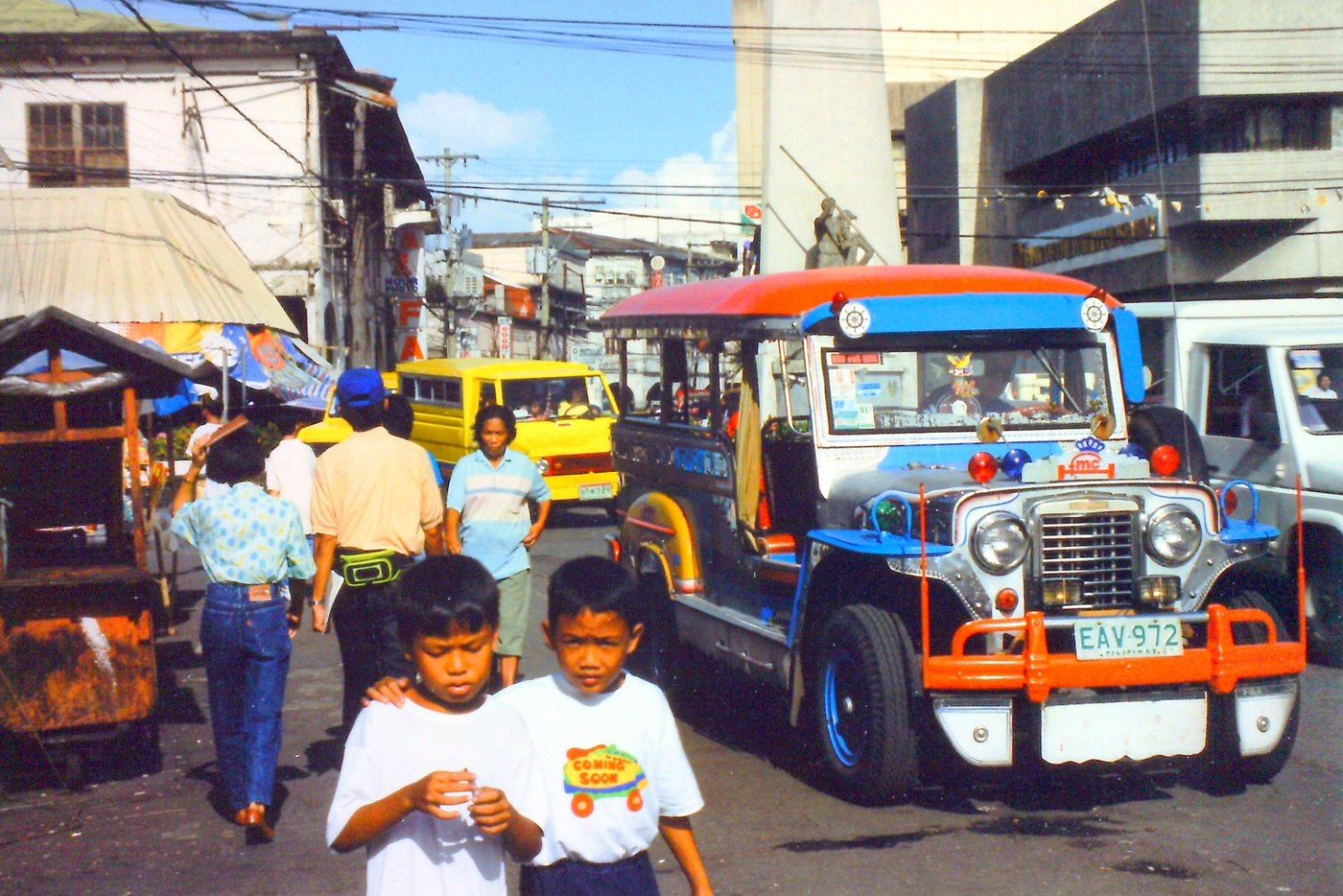
When we moved to Legazpi, I passed a test that let me start first grade at five instead of seven like the other kids. Gym class meant taking scissors or a machete and cutting the school lawn for an hour. In first grade, my teacher sent me to the corner shack to buy her a Coke, and I was so hungry that I took a sip on the way back. “I thought Americans had money,” she said. I walked to school unless I caught a ride on the back of a tricycle. Two houses down lived some big dogs that lunged at anyone who passed, so I carried an umbrella to fend them off. Some of my classmates teased me for being American, pinched me, pulled my hair, and took my things. By seven, I was riding on the backs of tricycles into town to the mall by myself. In first grade, a man across the street pulled a switchblade and pointed it at me. I ran the rest of the way, and for the next five years I took the long way to school. Another man pulled a knife on me in fourth grade.
In March 2022, a month after the arrest, my mother texted me about my Younger Son’s new teacher. It reminded her of something from when I was little:
“I hope you also had met the teacher that is going to be teaching him that is the most very important thing to have the right person connected with the child. When you had the wrong teacher in Puro you starting to change and not think well of yourself because who ever was was putting you down and because you were American. So I had to go and have meetings with the principal and the teacher that I wanted you to go with sat there and actually cried she didn’t want to take you and ended up loving you greatly and you were one of the greatest and nicest and sweetest children in the class.”
One of the greatest and nicest and sweetest children in the class. My mother wrote that about me three decades later, one month after my husband’s arrest, when I was fighting to keep my own children.
What she remembered is a small girl who started to think badly of herself because an adult kept putting her down, and whose mother went to the principal about it. I didn’t know then that I’d spend my adult life asking people in authority to protect a child.
Back to the States, in between
We didn’t spend every one of those years in the Philippines. In 1991, when I was six, my father brought us back to the United States to follow a preacher whose ministry he admired. We stayed in the preacher’s bus in Columbus, Georgia, until we could buy a mobile home of our own. Then we moved our mobile home onto his sixty acres in the woods of Smiths Station, Alabama. We were among the first families living there while his tabernacle and prayer chapels went up. The chapels stayed open day and night, with bins of ashes inside and a sackcloth cloak you could drape over yourself while you knelt to pray. The tabernacle was an open shed with a tin roof and a sawdust floor laid over the red clay. There were tent meetings, with all the signs and wonders people claimed to see.
We had nothing. My family worked with some of the people from the church installing gutters. My mother sold crafts out of the back of her car in store parking lots, and I sold them with her, so that we would have money for food. We shopped at flea markets for canned goods. One day while I was playing outside, a velvet ant, the flightless wasp people call a “cow killer,” stung me on the finger, and before long my whole body was swollen. They prayed over me, and the swelling went down.
We stayed about six months. From Alabama we moved to Mesa, Arizona, to another church of the same faith, for another six.
Arizona is where I found computers. I was in third grade, and I loved American school. For the first time in my life, I sat down at an Apple computer. I also did well enough in reading comprehension to win a pizza, but we left for the Philippines on the very day I was supposed to get it, so I never got to eat it. I carried something better home with me anyway. That was where my love for technology began. Later I taught myself web and graphic design, and that love grew into the work I still do today, in marketing and creative design.
By 1992 we were back at Puro Beach. After that, the trips to the States were visits. In 1993 we went to Cape Cod to see my grandparents, and to Arizona and New York. In 1995 it was Arizona, Massachusetts, and Georgia.
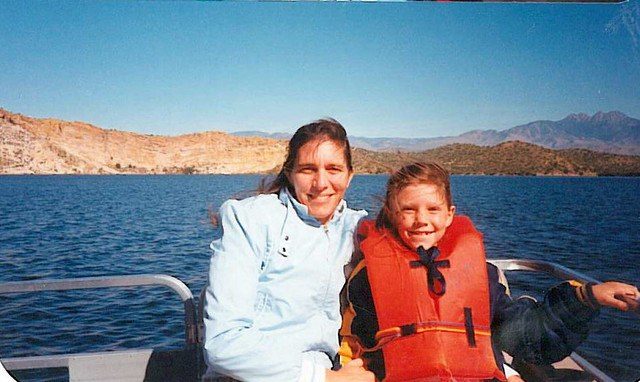
Home, through all of it, was our hut on the hill above the ocean in Albay.
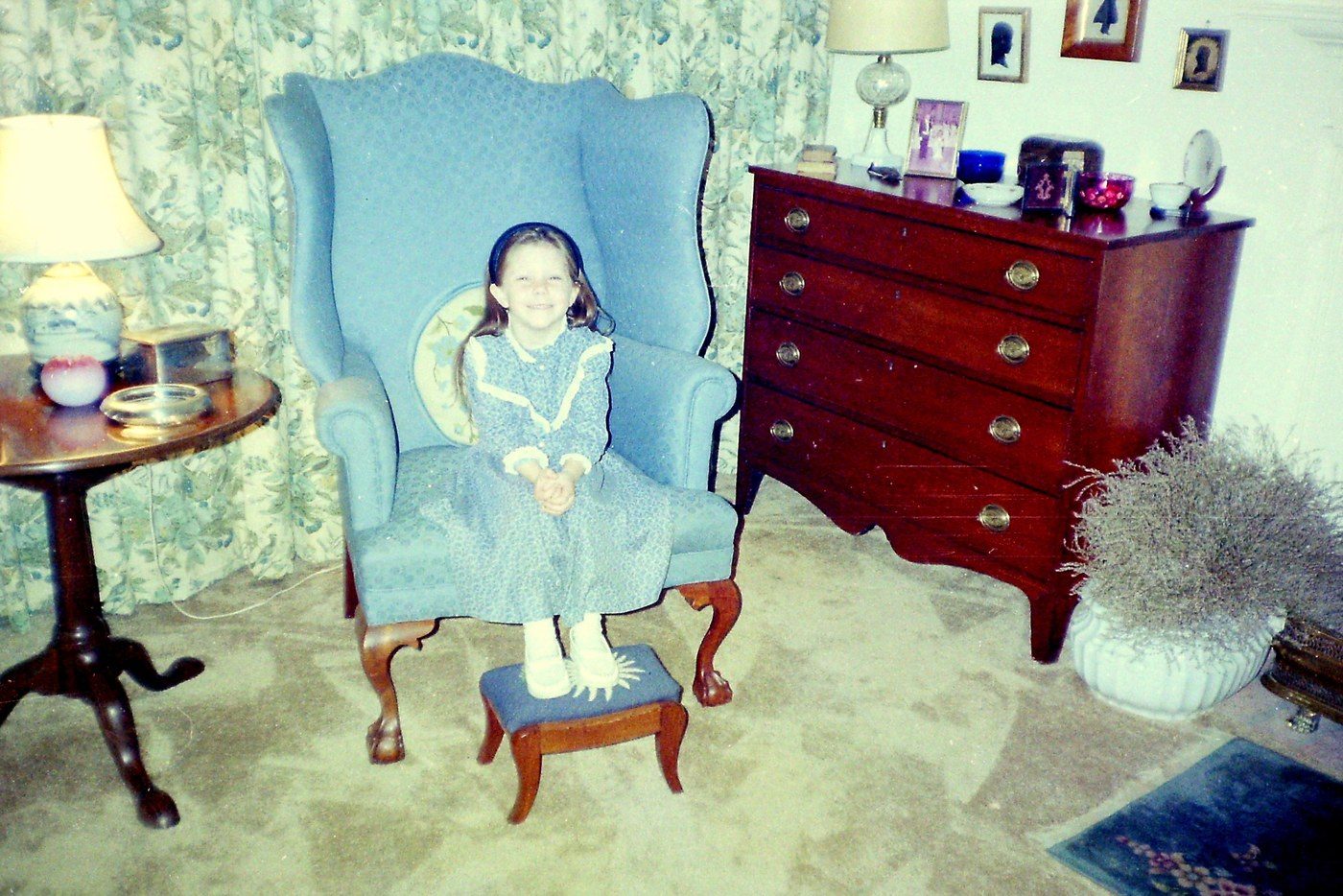
I had my tenth birthday in 1994 and my eleventh in 1996, and there was a sixth-grade graduation in 1995. We were still in the Philippines through all of them.
Leaving the hill
After six years at Puro Beach, we found out that the man who had sold us our lot had never owned it. We had to move. We tore down the hut we had built, sold the materials, and rented a room from a woman who grew orchids. A few months later we moved into a two-story house two blocks away, and church started meeting in our home again. A woman from the church managed a hotel at the top of a mountain up the road, and I swam in its pool until the other manager decided he didn’t want me swimming in my dress.
That was the year I finally got a bicycle. I had wanted one the entire time we lived in the Philippines. I rode it up the road to the hotel, flew down the steep driveway, and then pushed it back up the mountain when the climb got to be too much. A girl my age from a well-off family up the street became my friend, and she got me collecting stickers.
We moved right after I finished sixth grade, and I took that year off from school. Then we moved again, a few blocks over. We moved so often that I learned to make friends quickly and let them go just as quickly.
Mindanao came last. I didn’t see it until seventh grade. My oldest brother had gone to work in Manila and had visited Mindanao, and when he told my father about it, my father decided that was our next move. We went to Tagum City, to a completely different part of the Philippines, and lived in a rental unit attached to someone’s house that a family from church had arranged for us. I started my first year of high school there, which in the Philippines was seventh grade, since there was no middle school. My father stopped preaching that year and simply played the tapes wherever he went.
A woman from that church gave me money every week so I could buy food. After eight and a half years of going hungry, I had lunch money in my hand and didn’t have to owe the food-stand lady anymore. I have never forgotten her kindness. My last year in the Philippines was my most memorable one.
The book under my pillow
My parents’ faith was strict, and so were the rules. They followed the teachings of William Branham, which believers simply called the Message. Services were long, the sermons were full of hellfire, and we were expected to sit perfectly still through hours of it.
As a child I was haunted by the rapture. Night after night I dreamed that my family rose into the sky and I was left behind. I’d wake up gasping and run down the hall to make sure my parents were still there. I became the most faithful believer I could be. By the time I was ten, I had read the Bible through several times, and as a teenager I often fell asleep with a sermon tape playing beside my bed.
I loved to read. In March 2019 I wrote about it:
“When I was little, I loved to read and tried getting my hands on every book I could find. A friend let me borrow Cinderella and sleeping beauty. I felt the need to hide these books so I wouldn’t get in trouble. My dad found sleeping beauty under my pillow and proceeded to hold a prayer circle casting Satan and the evil spirits out of our house because I brought the devil in the house with my sleeping beauty book.”
In the same post I described the day I fell:
“When I was 12, I fell through a roof two stories onto a metal bar. I broke my wrist and couldn’t walk for three weeks. My dad ‘prayed over me’ and told me I needed to have faith in god. Needless to say my bone in my arm started growing back wrong in the following weeks so they had to take me to the doctor to rebreak my bone and reset it so that it could heal properly ending up with me having to have my arm for two months in a cast.”
I’ve left out the harshest lines of that post. The facts are enough. A little girl hid a fairy tale under her pillow. A twelve-year-old broke her wrist, the bone began to heal wrong, and it had to be broken again and reset. It happened in Tagum City, in our last year in the Philippines. A woman from church did our laundry and dried it on the roof of a shop, and one morning, late for school, I ran up to get my uniform and stepped on a plastic skylight in the middle of the tin roof.
That was the childhood Lisa Dean filed with the court, attached to my ex-husband’s affidavit, as a reason my sons shouldn’t say goodbye to their grandfather.
Ten years
My father gave the Philippines ten years. I said so in January 2023, on the night he died, and I’ve said it many times since. In November 2025, when strangers online assumed from my stories that I was Filipino, I corrected them more than once:
“We are not Filipino - we spent 10 years in the Philippines as missionaries - it is my very real story”
From the time I was four to the time I was thirteen or fourteen, it was the only home I knew. I left it and I have missed it ever since. In February 2024 I shared a post with five words of my own: “I miss living in the Philippines.” Two months later: “Been there. Done that. I miss the Philippines 🇵🇭”
1998: Florida
In 1998 my family moved to Florida. My grandfather decided it was time for us to come home after almost ten years. He paid for our plane tickets, lent us the money for a gutter machine and a truck to start a new business, and bought us a house in Royal Palm Beach, all of which we paid him back for.
I was a teenager who had grown up in Albay, and now I was an American who didn’t know how to be one. I wrote about it in that same March 2019 post: “During middle school and high school after moving to the USA from the Philippines and enduring extreme culture shock.”
The rules came with us. In our house, “wearing pants or shorts” was forbidden, so any friend who came over had to put on a skirt. One friend from high school, Julie, ended up hiding in my closet while my mother explained the evils of shorts. “Needless to say,” I wrote, “I never brought friends home after that.”
In Florida my father started over and went into business. In November 2025 I wrote about him:
“And yet, despite all of that, he worked harder than anyone I knew once we left the Philippines. After we moved to Florida, he built a lavish life for my brothers, who worked beside him in our rain gutter business. He gave more than his body could afford.”
My mother helped him run the gutter company from 1998 until he died. The family that had given away everything in California built something new in Florida with its own hands. It was the same family that, on February 15, 2022, when I called my mother from Ohio, was on a plane to Cleveland two days later.
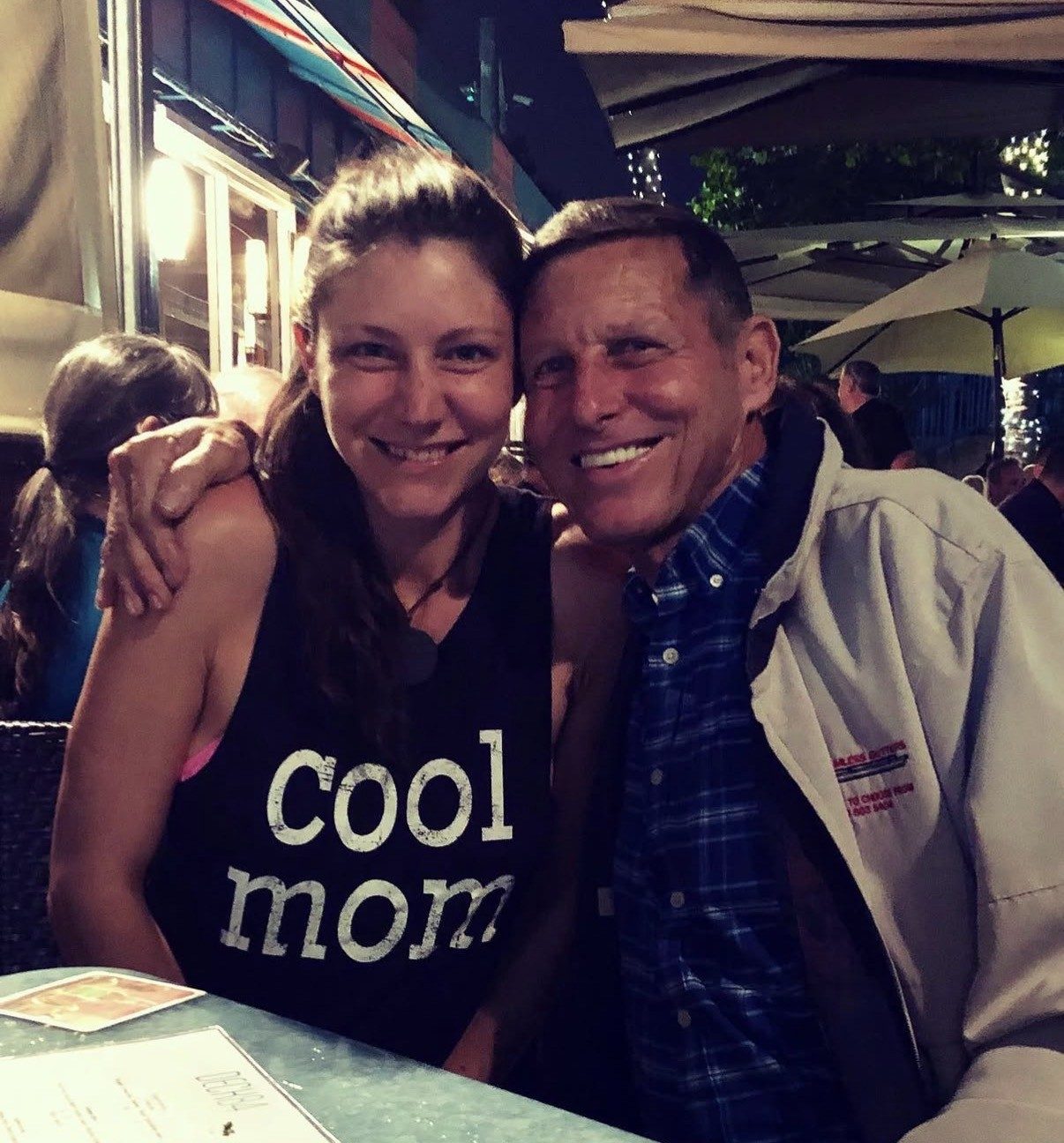
The pictures from those Florida years look like any teenager’s. There were trips to Arizona and Cape Cod in 1998, a prom in 2000, and trips around the state from West Palm Beach to Tampa, Orlando, Sarasota, and Ocala between 2001 and 2003. There was a birthday every year, from my fourteenth to my twenty-fifth.
What I took from it
In November 2018 I ended that post about boiling water this way:
“I’m very fortunate and blessed to be where I am now and through my struggles I learned gratitude for everything in life, perhaps one of the greatest gifts I’ve learned which I hope to pass on to my children.”
That’s the line I’d want any judge to read. A girl who dreamed of a bicycle grew into a woman who wanted to teach her children gratitude.
In July 2016, when my Older Son was three, I added a hashtag to a post that said more than I meant it to: #problemswithgrowingupamissionarykid. My friends lived too far away. That is one cost of a childhood spent on the other side of the world: the people who knew you then are scattered, and the people around you now don’t know where you came from.
2011–2016: Trying to write it down
I have been trying to write this story for fifteen years.
By late 2011, before I married, I was writing my life story in chapters. The files are still on an old hard drive: “Life Story to chapter 7,” saved November 24, 2011; “Life Story to chapter 8,” December 1; and “Life Story,” December 2, 2011. Five months later I wrote another document and put the date in its title: “My Testimony May 12th 2012.”
I didn’t stop there. My computer holds later versions: “My Testimony,” saved December 24, 2015; “My Life Story 2015,” saved in February 2016; “My Life Story April 2016”; and “Interview life story,” last saved November 7, 2022, five months after a court gave my sons to their father.
I don’t love what I wrote in those years. But the impulse was the same one behind this book. I wanted to say where I came from before anyone else said it for me.
2009–2012: Ohio, and the man I married
My first pictures from Ohio are from Christmas 2009.
On a file dated July 2, 2011, I saved a business card I’d designed for the man I would marry. Even then, I was the one doing the design work.
Saturday, January 21, 2012: El Segundo
I married my ex-husband on January 21, 2012, in El Segundo, California. I had left California at four, after my family gave everything away. I went back to get married.
Two months later, on a file dated March 18, 2012, I saved “Careyanns CookBook.” A new wife, writing down her recipes. I was raised to be a homemaker.
What that marriage became belongs to the next chapter. This chapter is about who I was, and the next year I became a mother.
January 2013: My Older Son
My Older Son was born in January 2013. The cookbook file was saved again, as “CookBook,” on January 22, 2013. My ex-husband later testified that from March 2013 to December 2019 he worked for his father’s roofing company.
That fall I was running my own small design business from home. A file dated September 23, 2013 holds the instructions for “Careyanns Designs Inc,” and its bookkeeping files run into 2014.
In 2019 I described those early years to a friend on Facebook who asked what I did for work:
“I do marketing and web design for several companies as well as health coaching 🙂 I work in between my sons nap time now that my other son is in school - the first two years of my first sons life I transitioned to working a graphic design job for the majority of the day at home and had to quit working”
I worked around nap times. I worked from home, around my son.
My friends lived far away. In July 2016, when my Older Son was three, I posted:
“Sad that I can’t think of anyone I spend any time with but [my Older Son] lol #loner #allmyfriendslivetoofaraway #problemswithgrowingupamissionarykid #mysonismybestfriend”
My son is my best friend. I wrote that in 2016, six years before anyone asked a court who raised him.
May 2017: My Younger Son
My Younger Son was born in May 2017.
Wednesday, November 8, 2017
When he was six months old, he was struggling with digestion and sleep. I took him to a chiropractor, Dr. Bobbi J. Taylor, DC. Her record shows I was the parent in the room explaining what was wrong.
That visit was the first of many. Over the next three years my sons had fifty-nine chiropractic visits, and on every ledger the guarantor and payer is me.
Thursday, April 5, 2018: “Pretty soon”
During those years my ex-husband was working full-time for his father’s roofing company. Our joint tax returns show his W-2 wages: $77,840 in 2017, $83,346 in 2018, and $83,343 in 2019.
On April 5, 2018, at 1:29 PM, he texted me:
“Pretty soon I’ll be able to be a stay at home dad”
Pretty soon. Not “I am.”
In March 2019 my Older Son said something I posted on Facebook word for word:
“[My Older Son]: Mommy I don’t ever want to grow up. I want to stay a kid. I like being a kid. Me: Why? [My Older Son]: because I don’t want to work all day like daddy. I want to climb mountains and find cool rocks and gemstones. But not all day. Just half of the day. It’s boring to find rocks ALL day.”
A six-year-old in 2019 knew who worked all day, and who he was talking to when he said it.
The paper trail of a mother
A mother’s daily work leaves very few traces. Nobody records who packed the lunch or who answered the teacher. But schools, doctors, stores, and sitters keep records, and years before anyone argued about it in court, those records already showed who was raising my sons.
The resale store. From 2018 to 2021, the loyalty account at a children’s resale shop was in my name only. The store’s export shows twenty-four entries, every one of them mine.
The preschool. From 2020 to 2023, one preschool sent 305 emails to my address alone, including seventy-three daily activity reports about my son.
The enrollment. On May 25, 2021, when a school enrollment task needed doing, I emailed my husband: “Can you please take care of this for me?” On June 2 he wrote to the school himself and said I had asked him to help with enrolling our children. When my Younger Son started at his new school that September, I filled out the enrollment packet. I’m listed as the first contact, and every signature in it is mine. From September 2021 to May 2022, that school sent 149 emails to me alone, 143 of them daily reports about my Younger Son.
The total. Schools and childcare providers sent 592 emails to me alone. Fifty-nine went to both parents.
The sitters and the cleaners. I hired them, scheduled them, and paid them. My message threads document 161 sitter and cleaner person-days arranged by me.
In January 2023, a woman who had babysat my boys and who works in childcare saw a post of mine and wrote to me:
“I never thought the boys were unsafe in your care! I mean I’m literally in childcare, if I see something I have to report it and you never raised any red flags.”
In May 2022, when I offered my neighbor my lawyer’s number in case she wanted to tell her about my husband’s aggressiveness, she wrote back:
“I never really seen it. He was never around”
In May 2023, when I asked a friend whether she’d write a statement for the court, she answered:
“Def would not have considered him stay at home dad - when I first met you he was in his dads roofing company. And thought was going various construction work until he fell and broke his arm. At that point - he couldn’t work in the same field and temporarily was stay at home dad, assumed until he could find new work / heal.”
And then:
“So that you could primarily focus on caregiving for your children, while doing your remote work on the side”
What the court would later say
I’ll tell the full story of the hearings in later chapters. Here I’ll set two things side by side, because they belong to who I was before.
On May 13, 2022, Lisa Dean filed a motion asking the court to hold me in contempt. Attached to it was my ex-husband’s affidavit, in which he swore: “During my marriage, I was a stay-at-home father while Defendant was the primary income-earner for our family.”
At the hearing on May 20, 2022, answering Lisa Dean’s questions on direct examination, he testified, “essentially, I was the stay-at-home mom”. On cross-examination, he agreed he was “not really caring for them full-time – during the day”.
On June 8, 2022, the court found that “until May 6, 2022, Husband was the primary caregiver for the children.”
A year later, on June 23, 2023, the court-ordered evaluator wrote that my ex-husband “did not claim he was the primary caregiver for the children.”
The emails, ledgers, tax returns, store accounts, signed forms, and his own 2018 text don’t depend on my opinion. The court’s finding went the other way anyway.
No record
Here is the plainest way I can say who I was before February 15, 2022.
I grew up in the Philippines as a missionary kid. I have no drug or alcohol record. I have no history of violence. I have no criminal record. I was the parent at home with my boys, the one the schools emailed, the one in the doctor’s office, the one who hired the sitters and signed the forms.
When the police came to my house on February 15, 2022, the report listed me as the victim.
Sunday, January 1, 2023: One last time
I’ll come back to where I started.
In the end, I was able to make the trip. On Friday, December 30, 2022, Judge John R. Hoffman Jr. heard my motion, with my ex-husband, Lisa Dean and Sarah Heid in the courtroom. His order found “that it is appropriate and in the best interest of the children to have a visit with their terminally ill grandfather.” I was to pick the boys up at 9:00 AM on December 31 and return them by 6:00 PM on January 3.
That same day, December 30, I texted my attorney: “Got my return flight - driving down with Josh tomorrow.” Josh is my brother. He had spent Thanksgiving and Christmas with us, more than a week each time.
On the road, I typed out what my boys were saying. At 5:34 PM on December 31, my Older Son: “Josh this is such a fun road trip!!!!” At 7:38 PM: “you guys have made this such a fun trip.”
On New Year’s Day, at 5:06 PM, I wrote: “We are at Joshua’s house now - went and spend half the day with my dad and mom.”
On January 2, at 2:20 PM, I sent my attorney a photo:
“Look how happy my dad is to get to see the kids one last time - he’s in the ER. So grateful we got to see him again before he died.”
That night our flight home was delayed and then cancelled. We rented a car and drove through the night so my sons would be back in Ohio for the court-ordered exchange. At 4:50 PM on January 3, my attorney wrote to my ex-husband’s lawyers, Lisa Dean and Sarah Heid:
“Lisa and Sarah, Careyann and the boys are almost home. They had a good trip and were very well behaved. No issues to report and they got along well. They were scheduled to fly back last night, but the flight was cancelled, so they had to drive. She will be at the police station by 6:00 pm.”
On the morning of January 4, I texted her about my father: “he was holding out and waiting until he was able to see me and my children again - he’s ready to let go and move on now thank you so much for fighting to give my father one last opportuni[ty].”
On January 5, 2023, at 6:09 PM, I texted her three words: “Dad just died.”
That evening I wrote about him on Facebook:
“He just turned 78 on December 28th. He held on until my children and I were able to come see him. He died three days later. He had a very difficult childhood and life. He devoted his adult life and my childhood to being a missionary in the Philippines for 10 years. He built multiple churches and helped a lot of people over the years on his own dime.”
And:
“I’m so grateful for my brother Joshua who helped me get my kids back in time for the court order, but because of it he also missed being by my fathers bedside when he passed. He was on a plane flying back when my father passed.”
About thirty-four years earlier, that same man had given away everything our family owned in California and taken his wife and three children to the other side of the world to build churches. He built them with his own money. In my own words, he “was a stubborn man who would only do things his way.” He was also the man who waited. Lisa Dean filed my childhood with the court as Exhibits 1 and 2, and my father still held on until my sons got there.
Hospice of Okeechobee honored his service with a Certificate of Honor through its Valor Program. It pays special tribute to him “for your service to America and for advancing the universal hope of peace, kindness and freedom for all.”
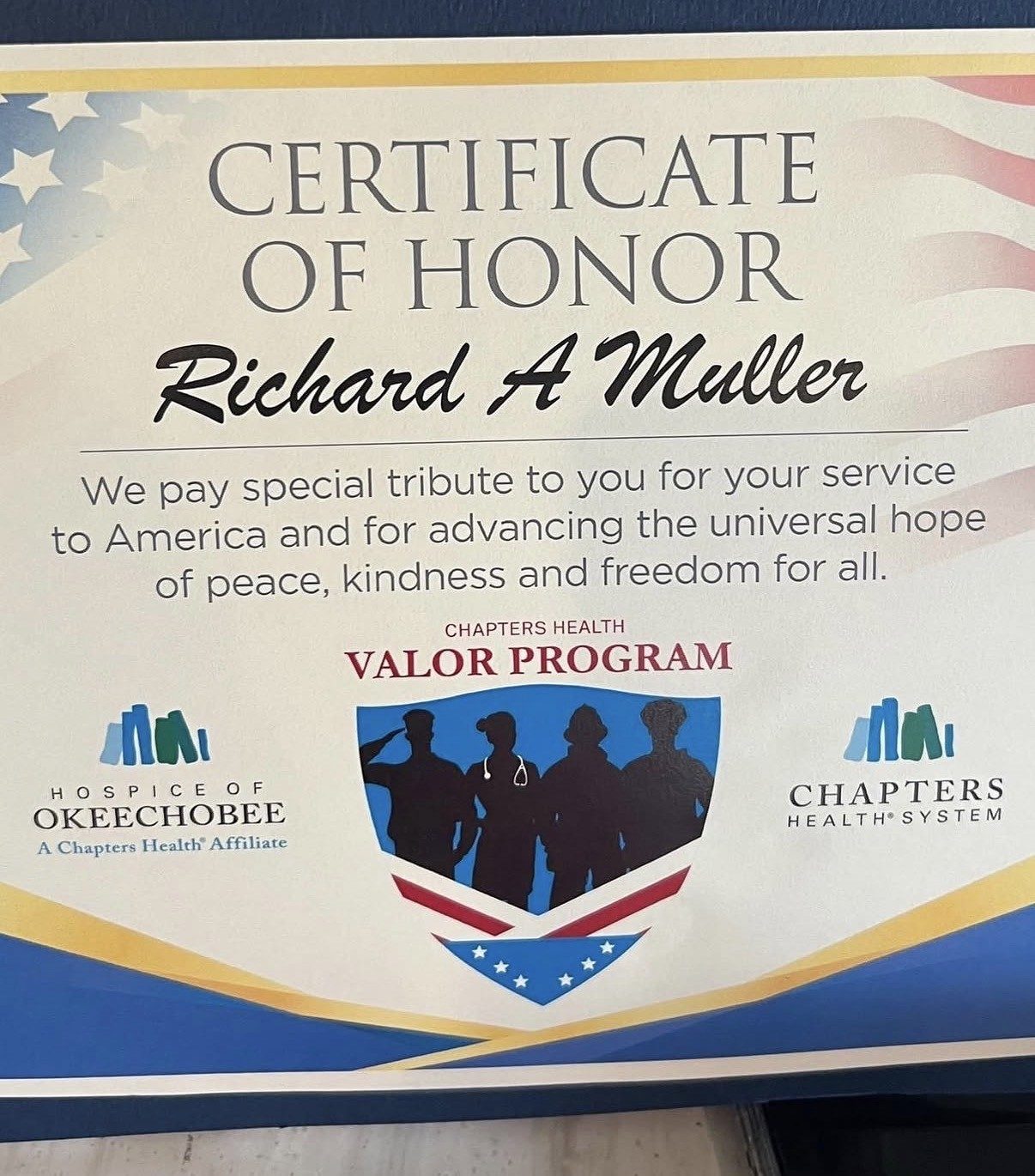
He died on Thursday, January 5, 2023. He was seventy-eight.
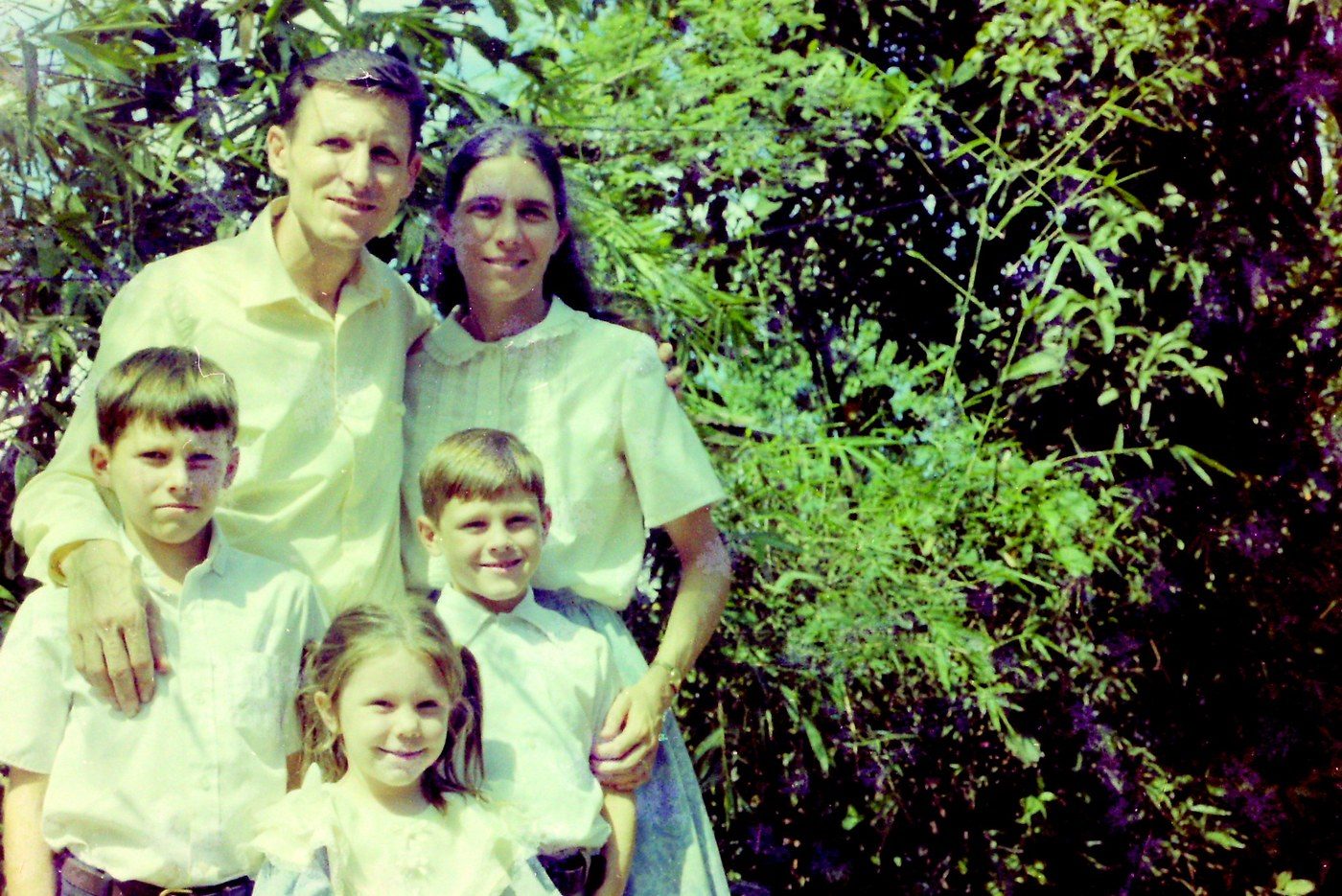
That is where I come from. A California girl who lost every toy she owned at four and gained an ocean. A missionary kid from Puro Beach who boiled water for her baths, dreamed of a bicycle, hid fairy tales under her pillow, and came home at thirteen or fourteen to a country she didn’t know. A woman who spent fifteen years trying to write her own story down. A mother who worked around nap times. A woman with no record.
The next chapter is about the man I married, and what happened inside our house.